
Ukraine Conflict: Resolution through Negotiation
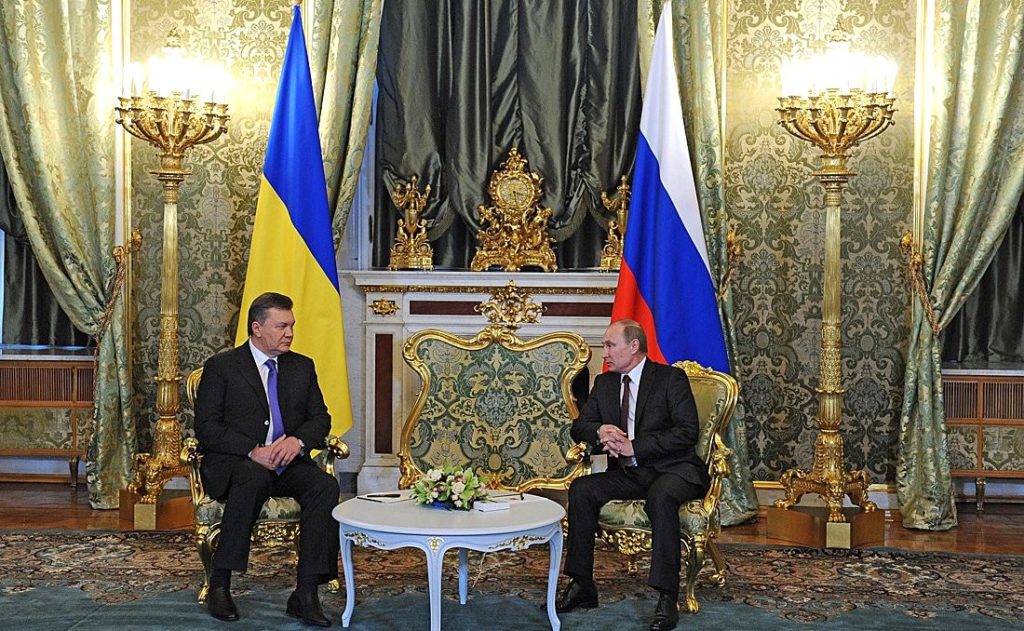
This paper analyzes the Ukrainian crisis from an international perspective, drawing on the theories of realism, neo-colonialism, and structural functionalism. It posits the necessity to include all the conflicting parties in a negotiation process in order to secure a sustainable peace agreement and proposes a detailed negotiation framework.
Under the Guise of Protecting Human Rights and Establishing Democracy: US Intervention in Sri Lanka

The paper argues that strong US intervention in Sri Lanka after the end of the island’s armed conflict in 2009 is not based on altruistic efforts to protect human rights as presented in mainstream sources, but stems from deepening US geopolitical and ideological interests in the Indian Ocean region. Keywords: Sri Lanka-US relations, US foreign policy, North-South relations, Neoliberal policy, interventionism, Indian Ocean, US-China relations
South Sudan’s Post-Independence Challenges: Greed or Grievance?
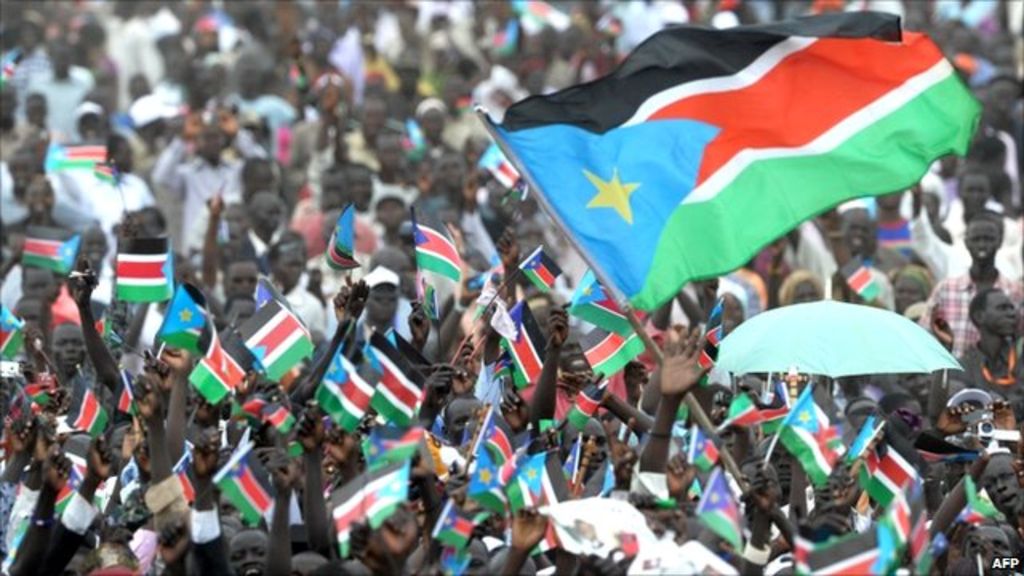
It is now eight months since South Sudan joined the family of nations as a newly independent state. However, as the South Sudanese struggle to find their bearings in a very unpredictable world, compounding challenges seems to be wearing heavily on them. Elizabeth Tesfaye Haile takes stock of how some of these challenges are redefining South Sudan’s dynamics, inquiring as to whether it is greed or grievance at the heart of the simmering tensions.