
Un análisis de la Guerra Fría entre Arabia Saudita e Irán
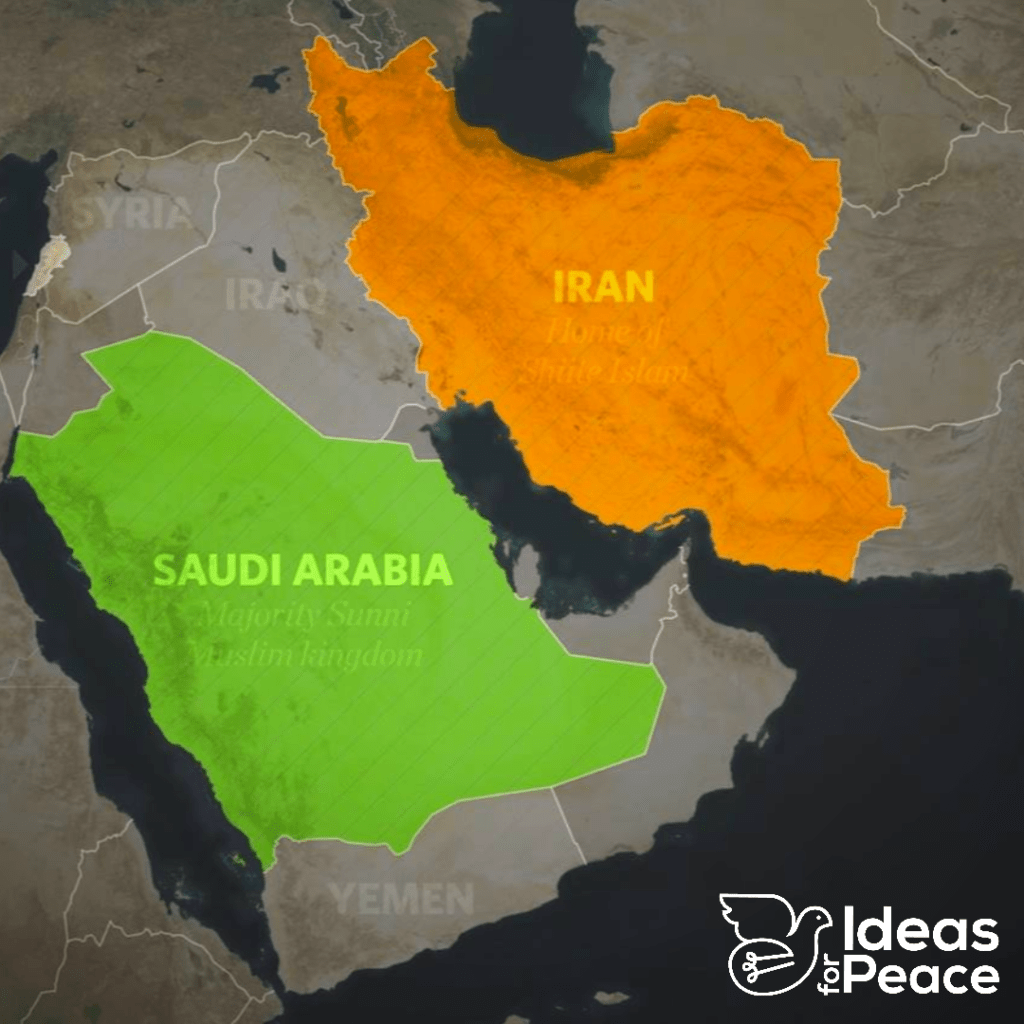
Este artículo de investigación presentará un trasfondo histórico y las perspectivas de ambos estados-nación involucrados en el conflicto; además, el investigador analizará el conflicto religioso entre los dos estados y sus roles en el conflicto alrededor del Golfo Pérsico y, finalmente, tratará de establecer si el conflicto entre las dos potencias islámicas hegemónicas equivale a una guerra fría.
RESPUESTAS RELIGIOSAS ANTE LAS PANDEMIAS
For this research, three pandemics Covid-19, The Black Death, and The Spanish Flu are studied to understand how religion has played a role during these pandemics.
Shifting Sands: Instability in Undefined Asia
Shifting Sands: Instability in Undefined Asia Author: Strategic Foresight Group Originally Published at Peace and Conflict Monitor on: 04/28/2003 Category: Special Report There are periods in history when the world changes. The Second World War from 1939 to 1945, and the end of Cold War and apartheid from 1989 to 1992 were the last two […]
Pawn of pawns: USA, Africa and empire in the 21st century
President Bush’s trip to Africa poses many questions, including the nature of US influence there and elsewhere, the extent to which African states can play off the US against the EU, and the effect on weapons research. Matt Norton in this guest editorial takes a journey through some of the issues.
Rehabilitation and Deradicalization: Saudi Arabia’s Counterterrorism Successes and Failures
Journalist Rob L. Wagner examines Saudi Arabia’s “soft” rehabilitation program to return Islamic extremists to the “true Islam.” Although the program in its seven-year history has suffered setbacks, its 10 percent recidivism rate points to potential long-term success. The program mixes religion and tough love to return reformed militants to Saudi society in a culture that guards its privacy and values its dignity. With more than 3,000 men successfully passing through the program, Al-Qaeda sees the Saudi government’s efforts as a threat to the group’s recruiting efforts to win the hearts and minds of young Saudis.
RE: To Drive, or Not to Drive; Not a Question for Saudi Women
RE: To Drive, or Not to Drive; Not a Question for Saudi Women Author: Rob L. Wagner Originally Published at Peace and Conflict Monitor on: 02/10/2010 Dear Editor: I read with growing alarm Jaclyn Nardone’s essay entitled “To Drive, or Not to Drive; Not a Question for Saudi Women.” If this essay was meant […]
Saudi-Islamic Feminist Movement: A Struggle for Male Allies and the Right Female Voice
In this report, journalist Rob Wagner analyzes the nuances of the contemporary Saudi feminist movement and its innovative methods of advocacy to garner support for women’s rights and gender-neutral Sharia in Saudi Arabia. He highlights the challenges associated with the Saudi feminist movement in the face of anti-Western activism rejecting their calls for rights to education, travel and other freedoms currently denied by Saudi Sharia.
Saudi Women’s Empowerment: Deep pockets, Not Political Activism, is Leading to Independence
Journalist Rob L. Wagner examines the growing wealth of Saudi Arabian women, who under Sharia have complete control of their finances. Changes in commercial and real estate laws have given women more flexibility in investing their money in business opportunities. However, Saudi society is slow to embrace such changes, creating roadblocks for women seeking to develop profitable businesses. Yet changes in Saudi society are coming from young Saudi women who came of age in the post-9/11 era. They are returning from Western universities armed with degrees and expectations that jobs and investment opportunities are available.
Battling against Religious Extremism: The State of Madrassah Reforms in Pakistan
It is ironic that in the centralized education system of Pakistan, there are educational institutions with different curricula. This results from the existence of three main educational systems; public, private and madrassahs. The private system is expensive and out of the reach of majority of children in Pakistan. Therefore, public schools and madrassahs provide education to most Pakistani children, where some students are exposed to Islamic fundamentalism. While there was a shift in media and governmental policies towards Pakistani madrassahs after the September 11, 2001 terrorist attacks in the USA, it seems as though international interest in madrassah reforms in Pakistan has faded away recently, even though this issue still exists in all its severity as has been clearly illustrated by recent radical and furious actions from the Islamabad-based madrassahs.
To Drive, or Not to Drive; Not a Question for Saudi Women
The Wahhabi state of Saudi Arabia is the holy gem of Islam and the only country in the world that prohibits women from driving. Saudi women must wait for months at a time to do basic communal things, until their husbands, fathers, brothers or uncles are available to drive them around. The Kingdom’s chauffeur system is not a pampering luxury; it systematically defies and denies women from earning equal rights as men, via mobilization and transportation. However, protests and petitions demonstrated and signed by Saudi women, prove they are not giving up their fight to drive. But before this right can be granted, the environment must be ready for it. This essay will explore this misunderstood and confusing Saudi law, by weaving through the reasons of why women cannot drive, personal stories and scenarios on how the ban affects everyday life, and suggest recommendations as to how the Kingdom might consider going about changing its ways.