
SOMEONE WRITES TO THE COLONEL

El coronel tiene quien le escriba Autor: José Roberto Padilla Rivera Traducido al inglés por Ana Elena Acon Universidad para la Paz. San José, Costa Rica. 18 de mayo de 2021 Coronel, Destacamento militar de las fuerzas revolucionarias en el litoral Atlántico Dueño del mejor gallo del Departamento. En algún lugar de la costa Atlántica […]
Interview with Dr Manuela Mesa
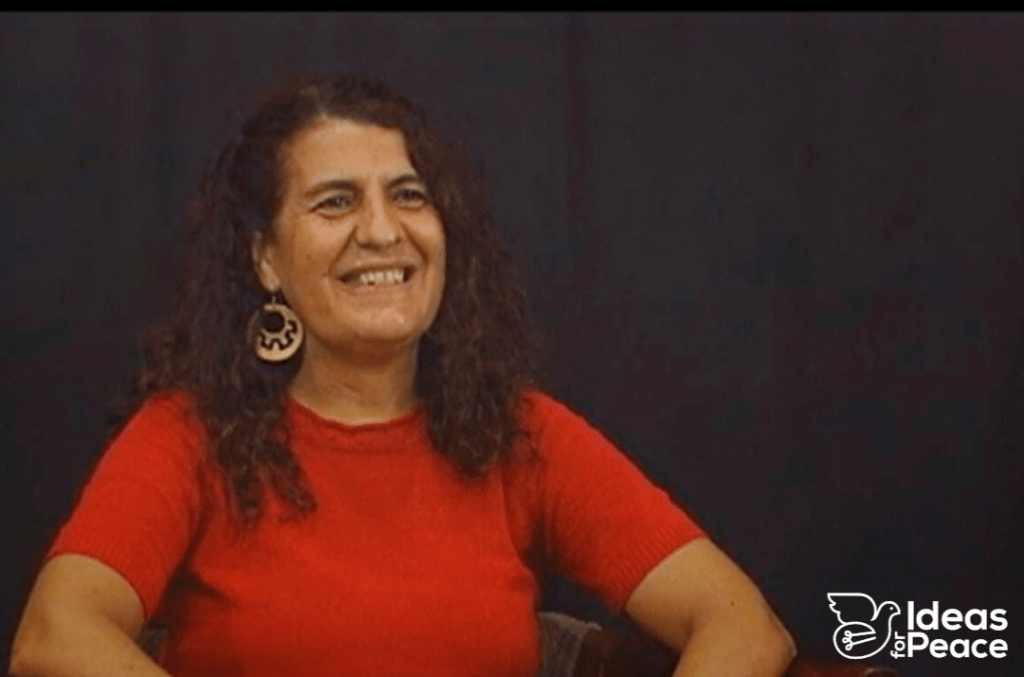
Entrevista con Dra. Manuela Mesa En esta edición de Ideas for Peace, te presentamos la entrevista que hicimos con la doctora Manuela Mesa en 2019. La Prof. Mesa es Co-Directora del Instituto Universitario sobre Derechos Humanos, Democracia, Cultura de Paz y no violencia (DEMOSPAZ) en la Universidad Autónoma de Madrid. También es la Directora del […]
The slow peace process in Darfur: A call to turn to the local
Peace in whatever way it is perceived has remained both an aspiration and challenge in post-war international order. The combined effect of this struggle has led to constant engagement with and search for durable solutions to conflicts wherever they occur. Despite international interventions attempting to address the conflict in Darfur, and the humanitarian needs it has generated, peace remains elusive. In this article, Rose Mutayiza addresses the challenges that continue to frustrate the peace process and suggests more space be given for local voices and initiatives.The argument of this paper is that the challenges of peace in Darfur though not new, reflect to a considerable degree, institutional and normative faultiness inherent in contemporary neoliberal approaches to peacebuilding.
El Salvador’s uncertain path to peace
Tags: El Salvador, peace process, gangs, rehabilitation, reintegration, ceasefire, sanctuary cities, Catholic Church, decolonizing peace, homicide, conflict transformation.
Disunity in Palestine: Its History and Implications for the Peace Process
Mahmoud Abdou explores the history and implications of political disunity among Palestinian leadership, arguing that a united Palestine is an essential step toward peace for everyone in the region.
The Prospects of the African Mechanisms for Preventing, Managing and Resolving Conflict
This article discusses the potential of African mechanisms for peace, especially the African Union’s Peace and Security Council, to prevent, manage, and resolve violent conflict on the continent, both within and between states. While various criticisms and challenges are discussed, the author ends on an optimistic note and makes a series of practical recommendations for AU member states, pointing a way forward, toward a peaceful and prosperous Africa.
Discerning for Peace in Africa: The Sudan Civil Wars and Peace Processes 1955-2013
Separation of the Sudan into the Republic of Sudan (North) and the Republic of Southern Sudan (South) was globally extolled as the long-lasting solution to one of the longest civil wars in post-Colonial Africa. However, recent developments in Sudan: continued clashes between north and south, crises in the contested areas and tribal civil wars have uncovered that: separation without addressing the principal root causes of the conflicts is not the panacea to prone and protracted civil wars. Taking a historical analysis framework, the paper attempts to tackle issues of causes, opportunities and challenges for peace in Sudan.
Keywords: Sudan; conflicts; civil wars; peace; CPA; referendum; secession; Abyei.
The Bougainville conflict: A classic outcome of the resource-curse effect?
Pre-existing ethnic and economic divisions between Bougainville and the rest of Papua New Guinea and the mismanagement of the copper wealth of the Panguna Mine exacerbated existing tensions and provided radical Bougainvilleans an excuse to legitimise the pursuit of violence as a means to resolve their grievances. This article examines the causes of the Bougainville conflict in Papua New Guinea from 1988 -1997, specifically investigating the role of the resource curse (as propounded by Collier) and briefly discusses implications for democracy and future development on the island.
The article finds that not one single factor should be isolated as a sole cause of the conflict but that there is a series of predominant causes which can trace their roots directly to the Panguna Mine. Pan-Bougainvillean ethnicity should not be discounted as an important factor but should be seen as an external projection of economic and inter-ethnic grievances.
Land of the Golden Pagodas: Checking in on Myanmar’s Peace Process
Monica Paniagua reports on her recent trip to Myanmar to support the ongoing peace process. In this article, she also reflects on the still-troubling human rights situation in the country and the recent economic and political changes that continue to be a source of cautious optimism.