
The Rise of Al Jazeera
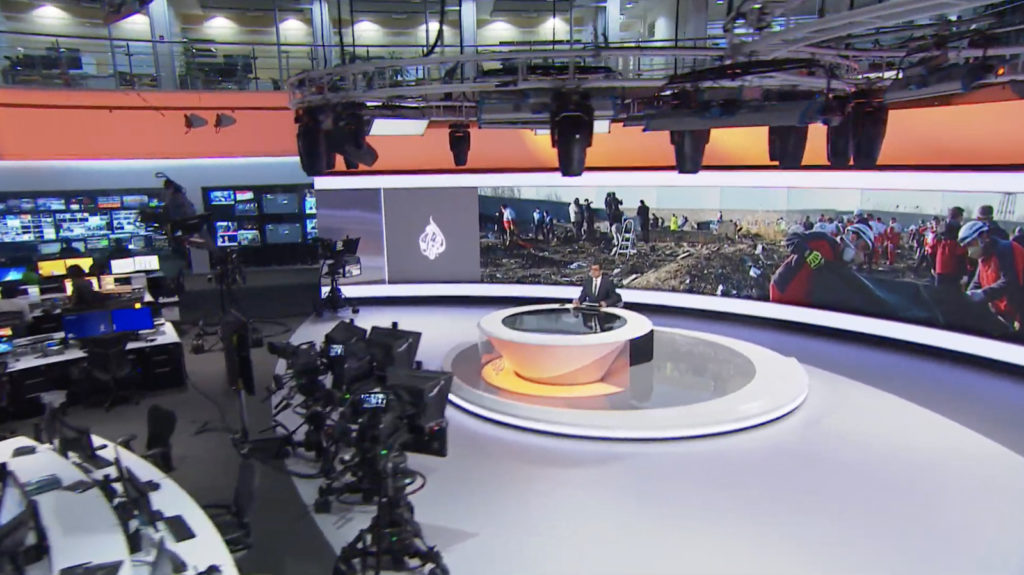
Al Jazeera is likely the most controversial media phenomenon of the last few decades. But say what you will about the goodness or badness of it, its effect is undeniable. Al Jazeera has done what no other media before it could: bring all Arabs together, under one umbrella, to speak their minds.
Rethinking the Administration and Delivery of Foreign Aid in Cambodia
The government of Cambodia has received foreign development aid in abundance for many years, largely contributed by a number of international aid organizations and donor states such as World Bank, Asian Development Bank, International Monetary Fund, Official Development Assistance (ODA), and Japanese as well as Chinese governments.
Unfortunately, this aid has not served as a constructive engine to promote economic growth and development, and has not provided tangible benefits for the targeted population, the poor and the vulnerable, in the country.
This article, therefore, presents some specific reasons for the poor management and ineffective delivery of foreign aid in the nation, and offers some viable and practical mechanisms of how foreign aid should be properly administered and distributed in Cambodian society.
Media Coverage, Ideological Effects, and Naxal Violence
Recently, the violent activities of left wing extremist in India have increased. The continual violent activities of these groups have attracted much media attention. The movement has been given front-page coverage in the print media and the broadcast in prime time televised news. This paper argues that the increased coverage of Naxal activities has produced ideological effects which further strengthen mobilising the cadres and sympathisers of Naxal, consequently, increasing the frequency of violence.
Stand By Your Man
American war movies have a tendency to slip themselves into time-honored gender role clichés – women as comforters, women as patriots, women as whores. In doing this, they not only ignore the rich and varied roles that women have played in times of conflict, but they reinforce certain stereotypes that are best either broken down or left out. In some cases, lessons can be drawn from examples of African film and literature.
Mutiny and Media in Bangladesh
Suriya Urmi analyzes the 2009 mutiny of Bangladeshi border guards (BDR) against army officers. This article specifically focuses on the media´s role, as BDR soldiers successfully deceived public opinion before the atrocities were discovered.
Theatre of Peace: reflections
In the theatre the public gazes at a remarkable event, one based on conflict; but the audience of the theatre of war gazes at violent conflict. Is there some connection between these definitions of theatre that is more than semantic? Could there be a theatre of peace?
Freedom of Expression Under Threat in Zambia
This article presents a general overview of Zambia’s media situation, and discusses Zambia’s obligation to protect the right to freedom of expression within the context of the 2016 presidential election. In the end, it calls for the observance of its international commitments.
Notes On A Controversy
Notes On A Controversy Author: Amardo Rodriguez Originally Published at Peace and Conflict Monitor on: 12/04/2017 Another week brings yet national controversy where no person was robbed, raped, molested, abused, maimed, or killed. Instead, the controversy involves a prominent person or academic who has been accused of using language that is assumed to be […]
Complexities
Your average CNN-watching American may be able to report the latest on soldiers killed or Iraqis successfully “found, killed or captured,” but you’d be hard pressed to find an average American who could tell you how the scene is really unfolding. How complex is the situation?
Peace Journalism: A Needed, Desirable and Practicable Reform
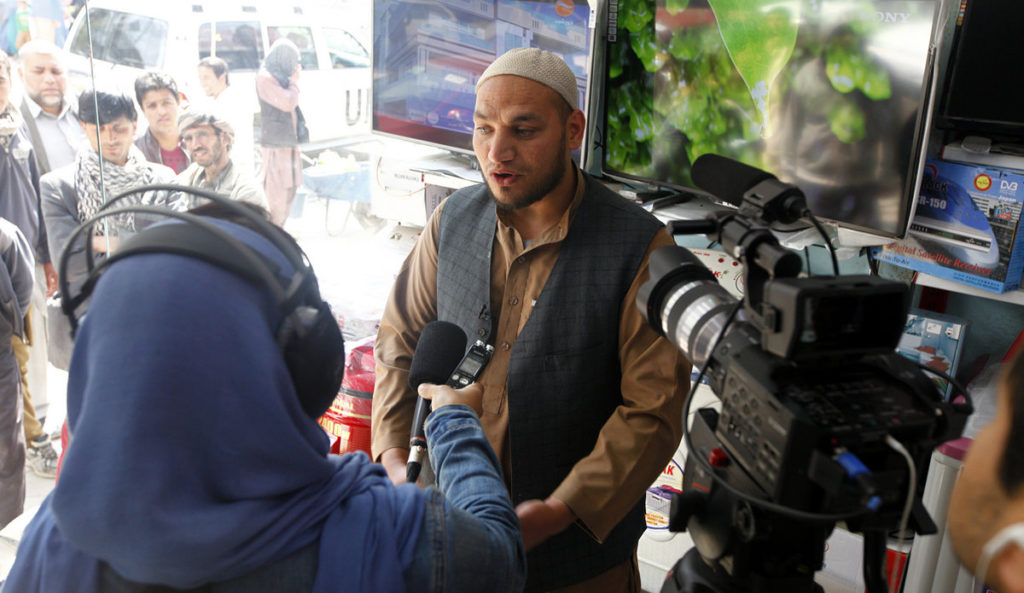
The idea of peace journalism has attracted its share of critiques and controversies, but as Vanessa Bassil argues, it still offers a much needed and practical, peace-oriented perspective from which media can be analysed and produced.