
Rethinking Agrarian Futures through Local Action (ReAL) in Costa Rica
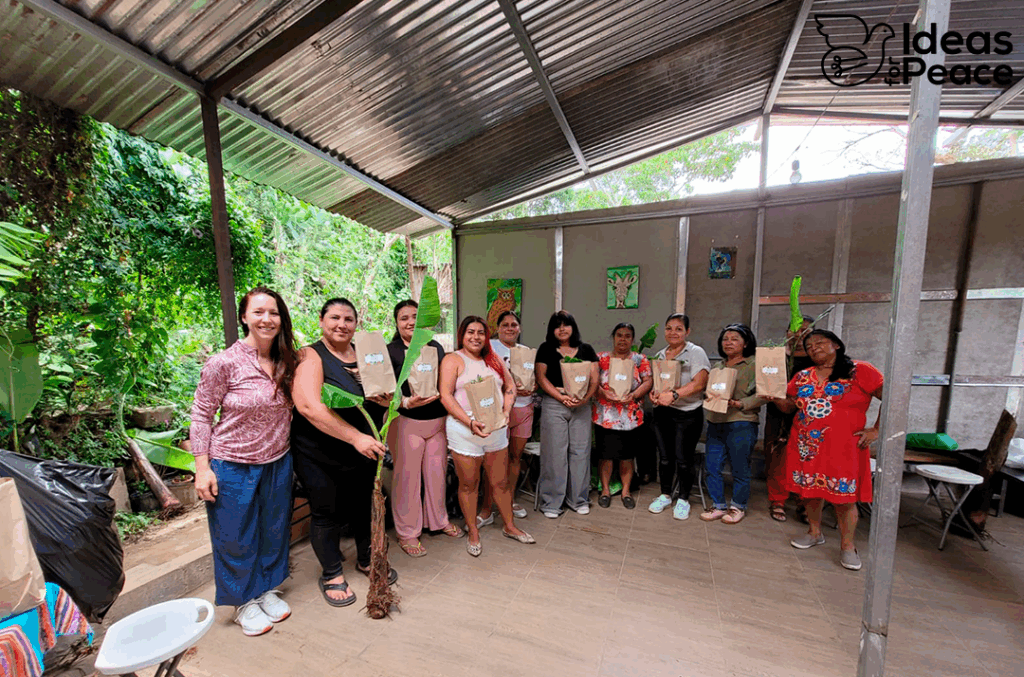
This article shares the experiences of three Indigenous women’s groups that are actively defending their lands and practicing food sovereignty in Costa Rica; these experiences take place within a project from UPEACE’s Department of Environment and Development with the support of the IHE Delft Institute for Water Education.
Food Security and Conflicts. Case Study: Anglophone Crisis, Cameroon
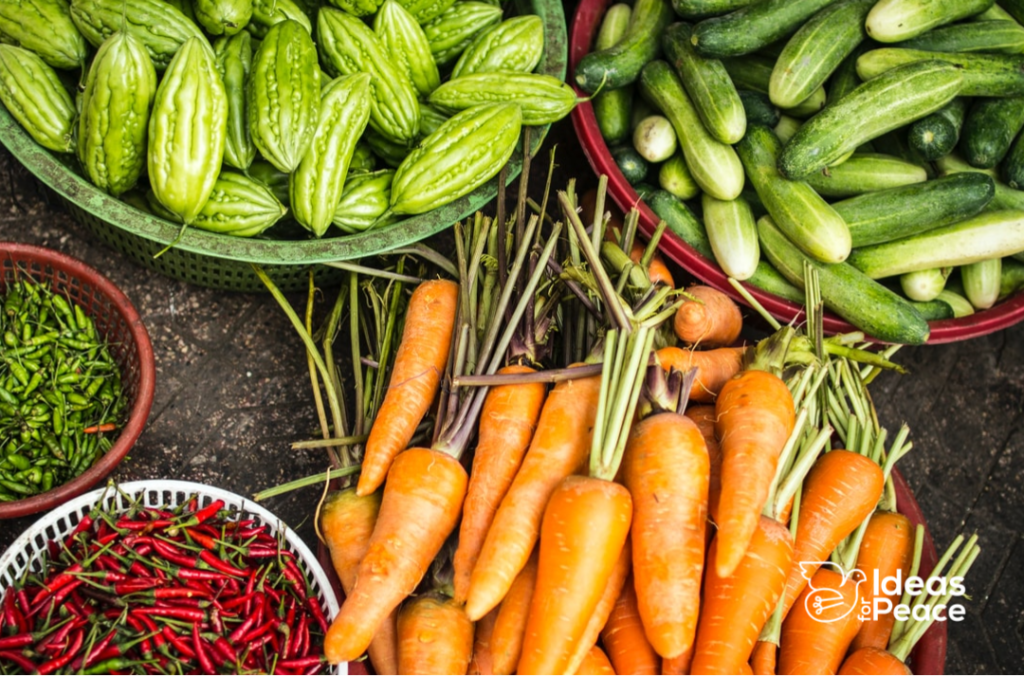
Food Security and Conflicts. Case Study: Anglophone Crisis, Cameroon Author: John Carlvin Piyinchu There is a tragic link between conflict and hunger and how it still pervades far too much of the world. We need better and quicker access in all conflict zones, so we can get to more of the civilians who need our […]
Food Crisis in the Republic of Niger: What needs to be done?
Food crises in the Republic of Niger have been on the rise. Much is being done to alleviate this situation, especially with food aid. Though necessary for immediate relief, this is not a long lasting solution for the country on the whole or specific regions such as northern Niger. It is therefore essential that this landlocked country looks for alternative methods of subsistence in order to improve on the current situation of about two million people on the verge of hunger.
Key words: Food insecurity, sustainable livelihood, and development
Men are an influential factor in households and community food security in the Center Region of Cameroon
For centuries the problem of food insecurity in Cameroon has been considered the woman’s problem to resolve. Men have failed to understand that they too play a crucial role in improving household and community food security because they are in control of all assets. It is therefore important to sensitize men on their key role in improving household food security and in turn they will on their own a long side women change destructive traditions and social norms.
Keywords: Gender, food security, sustainable livelihood