
Energy Transition must be Gender Responsive

Energy Transition must be Gender Responsive. A just and holistic energy transition can best happen when women have a greater say in planning and decision-making Author: Suchitra Rautela Joshi “We are still living with the results of millennia of patriarchy that excludes women and prevents their voices from being heard,” said UN SG Antonio Guterres, […]
Reflexiones sobre la Civilización Ecológica en China
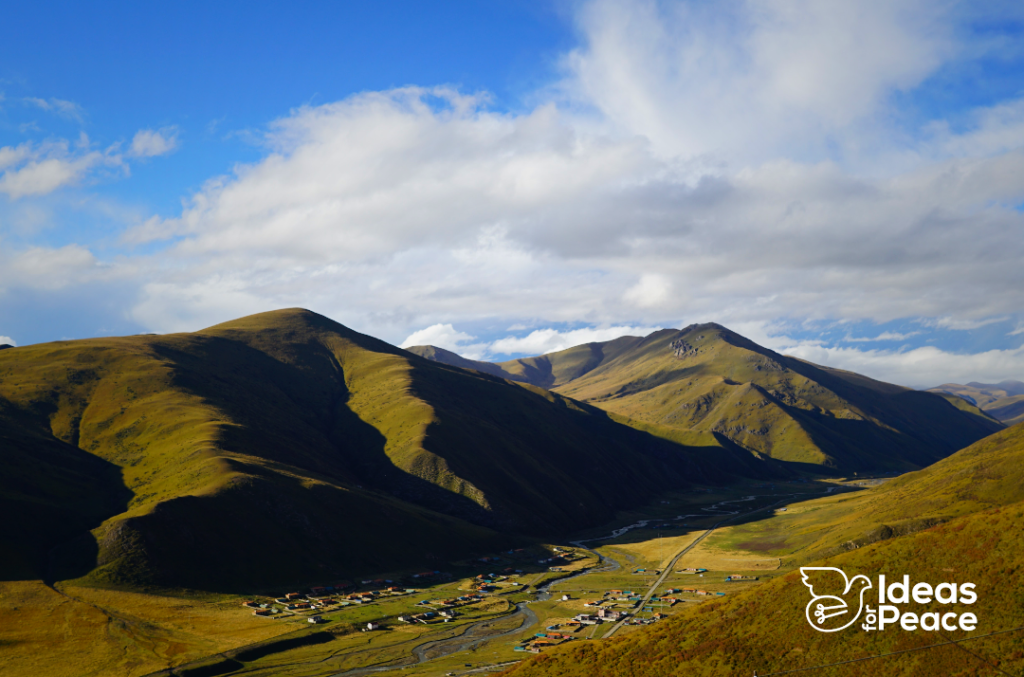
Reflections on Ecological Civilization in China Author: Sifan Jiang Translated into Spanish by Silvana Gordillo González Ecological Civilization with Chinese Characteristics The philosophy of Ecological Civilization has deep cultural roots in China. There were already ideas of protecting viviparous and oviparous animals for sustainable use, as well as the law of closing mountains and reforestation, […]
PEACE AND LOCAL DEMOCRACY IN COSTA RICA. PUBLIC POLICIES AND THEIR FUNDAMENTAL ROLE IN OUR FUTURE

Una reflexión sobre el rol de los gobiernos locales en la creación de planes medioambientales que promuevan la coexistencia pacífica de sus ciudadanos
Ideas para la Paz de la Dra. Melania Guerra
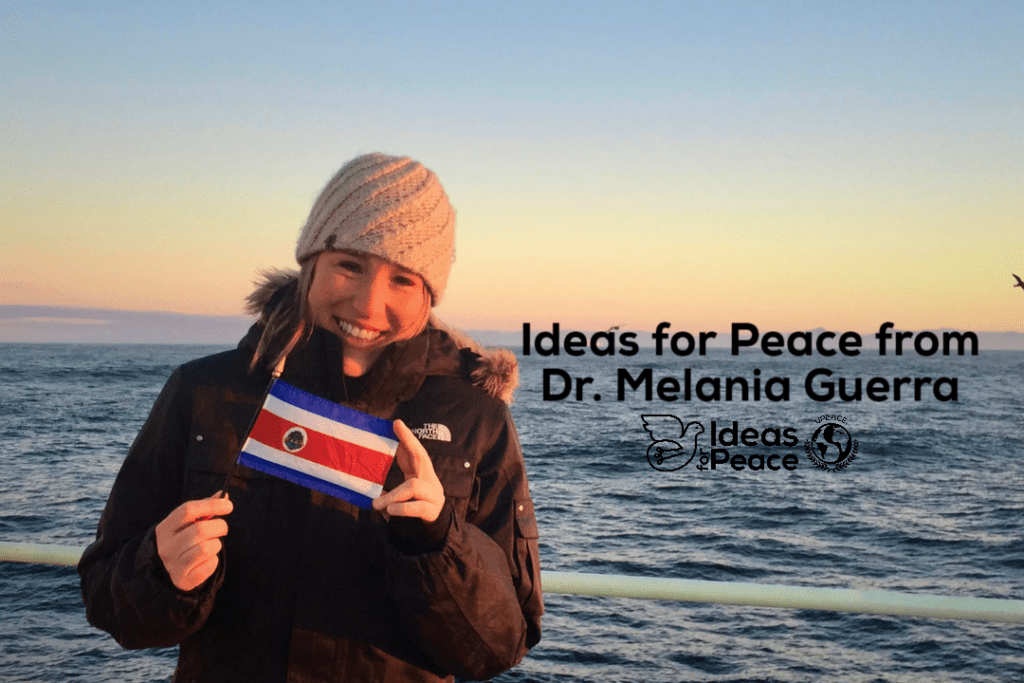
Una entrevista con la Dra. Melania Guerra para discutir el futuro de la diplimacia ambiental, educación y el desarrollo sostenible
A socioenvironmental success story? The World Bank thinks so.
A MODEL FOR SOCIAL AND ENVIRONMENTAL ADMINISTRATION IN THE HYDROCARBON SECTOR
Dynamics between Indigenous Rights and Environmental Governance: Preliminary analysis and focus on impact of climate change governance through REDD+
This essay discusses the question of the complex relationship between international environmental governance, sometimes referred to as “earth system governance”, and indigenous rights (section I). The two sets of norms, instruments and institutions are theoretically envisioned as complementary since they both incorporate the notion of the importance of protection of the environment and its natural resources. Emphasis has been progressively put on the natural symbiosis and correlation between sustainable development purposes and indigenous self-determination and preservation of their identities. Forests peoples’ specific connections with their lands and thorough knowledge of their natural environment are undoubtedly acknowledged and highlighted.
It has been chosen to focus on the interplay of indigenous rights and climate change governance embodied in the UNFCCC (United Nations Framework Convention on Climate Change) and its corollary the REDD+ mechanism (Reducing Emissions from Deforestation and Forest Degradation) and the potential opportunity and/or harm it represent for indigenous communities and their rights (section II); before attempting to reach some conclusion (section III).