
Human Rights in the Future of Emerging Virtual States
Imagine a futuristic society, where everything is digitalized. Not just work, but meeting friends, traveling, and even the state we live in is now online. Now people are having heated discussions on whether to have their consciousness uploaded onto a cloud service they prefer. Now then, how would statehoods be formed, and who can we define as ‘human’? What changes and challenges would human rights face? As the possibility of more pandemics to come, under the extreme change of climates, this essay ponders over the idea of a fully digitalized future, and a few matters of human rights we need to consider.
Presentación del Centro Global de Innovación para la Paz y del libro “Innovación para la Paz”
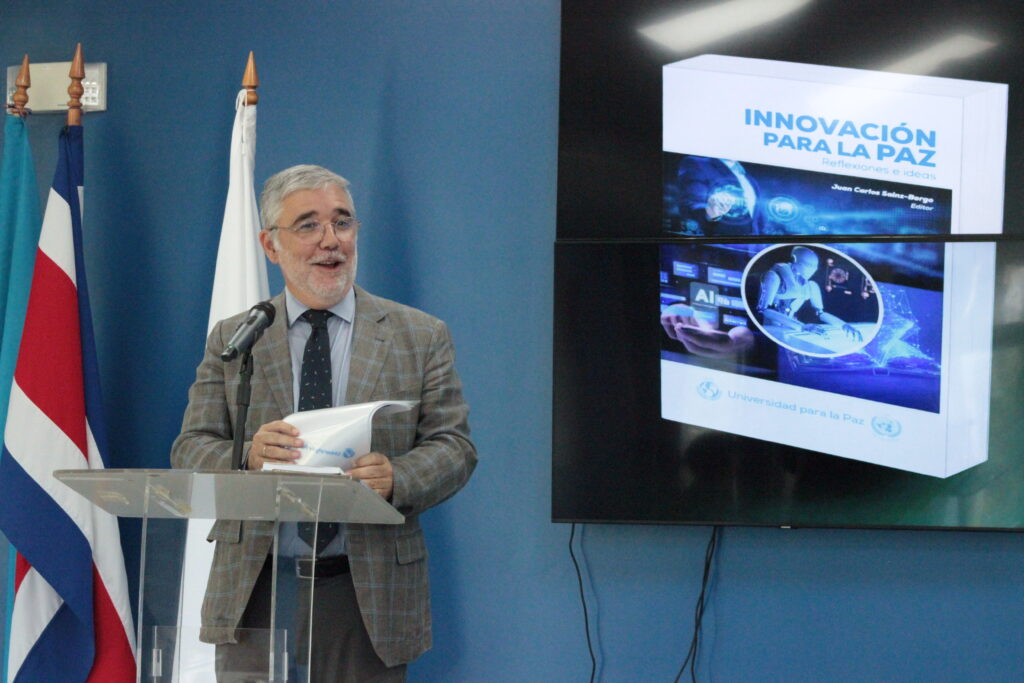
El 1 de abril, la Universidad para la Paz (UPAZ) celebró en su Aula Magna el evento “Innovación para la Paz”, orientado a reflexionar sobre cómo responder a las nuevas realidades en materia de paz mediante la colaboración interdisciplinaria. El Vicerrector, Dr. Juan Carlos Sainz-Borgo, presentó la visión del Centro Global de Innovación para la Paz, creado en 2022 para fomentar un mundo donde paz, innovación y sostenibilidad se sustenten en acción ética y cooperación intercultural. La actividad dio continuidad a los debates que inspiraron el libro Innovación para la Paz. Reflexiones e ideas, presentado en la ONU en 2024, y que en Costa Rica sirvió de base para mesas de discusión sobre áreas prioritarias de innovación (investigación constante, vínculo academia-empresa, capacitación tecnológica y políticas públicas innovadoras), formación de alianzas estratégicas con actores diversos, y exploración de fuentes de financiamiento nacionales e internacionales. Entre los proyectos replicables surgieron laboratorios de innovación tecnológica y programas de microcredenciales. El Rector, Dr. Francisco Rojas Aravena, cerró destacando la importancia de nuevas narrativas para la paz, el arte como medio de expresión pacífica y un desarrollo sostenible centrado en las comunidades.
Honduras elects the first female President: What does it represent for peace and democracy?
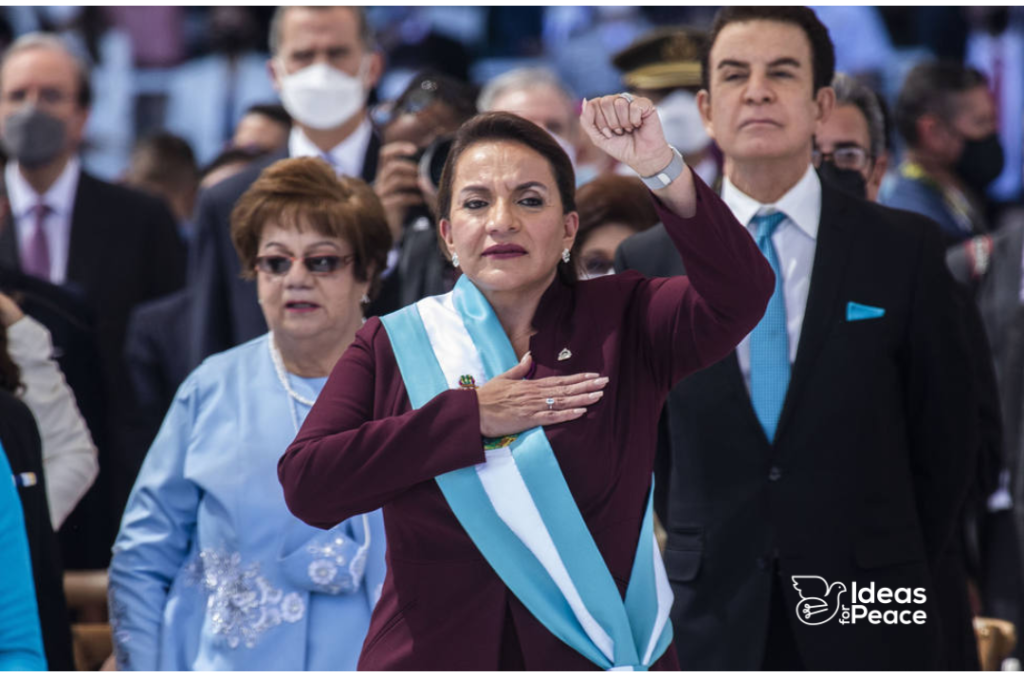
Honduras elige a la primera mujer Presidenta: ¿Qué representa para la paz y la democracia? Autora: Edith Orestila Martínez Traducido al Inglés por Marta Álvarez Collado El 28 de noviembre del 2021 se celebraron elecciones generales en Honduras. El ambiente previo estuvo plagado de una creciente y preocupante violencia política en conjunto con graves discursos […]
Safeguarding citizen participation through Government of Unity (GNU) or is democracy being violated?
There has been a recent trend in Africa where disputed electoral results are settled through the institution of Government of National Unity (GNU) formations, mostly popularized by incumbent political leaders who are reluctant to accept electoral defeat. This has led to situations where political opponents are forced to co-exist in government while at the same time creating apathy and despondency among the electorate who feel short changed by the total disregard for their will and the imposition of leaders who should have existed from the leadership positions in government through electoral defeat
Lack of empathy as a threat to peace
Key words: empathy, violence, international relations, cosmopolitanism, peace