
¿POR QUÉ LOS ESTADOS CONMEMORAN GUERRAS PASADAS?
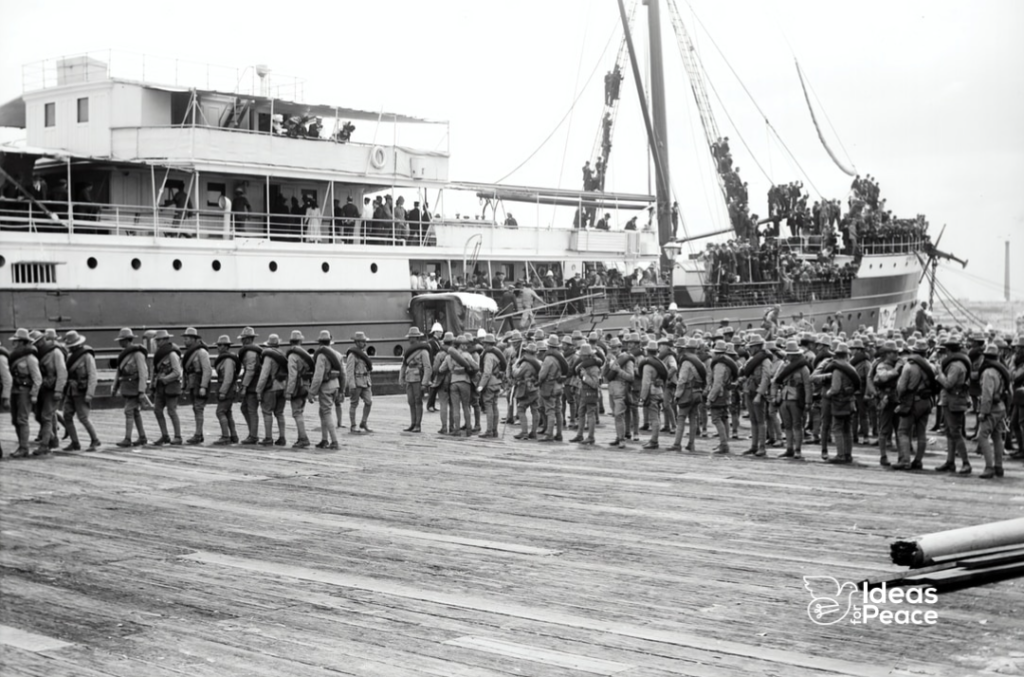
Why do states commemorate past wars? Argentina and the United Kingdom commemorating the 40th Anniversary of the Falklands/Malvinas War (1982) Author: Juan F. Dávila y Verdin, FRSA Translated into Spanish by Silvana Gordillo González The commemorations and remembrance of past wars in Occident have been part of the rituals carried by the ancient civilizations. Evidence […]
Peace and World History: A Historiographic Review
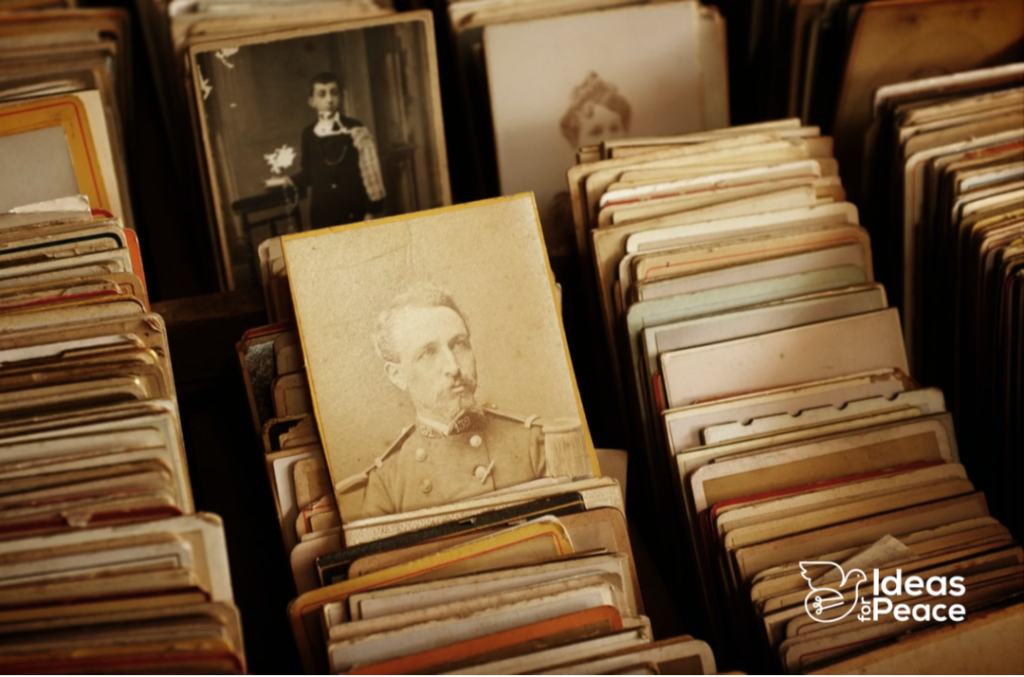
Peace and World History: A Historiographic Review Author: Ross Ryan Translated into Spanish by Silvana Gordillo González Works reviewed: Adolf, Antony. Peace: A World History. Hoboken: Polity Press, 2009. Cortright, David. Peace: A History of Movements and Ideas. Cambridge: Cambridge University Press, 2008. Gregor, Thomas. A Natural History of Peace. Nashville: Vanderbilt University Press, 1997. […]
Military Escalation Will Harm Afghan People, US Interests
“I know that Obama’s election has brought great hopes to peace-loving people in the United States. But for Afghans, Obama’s military buildup will only bring more suffering and death to innocent civilians…”
— Afghan parliamentarian Malalai Joya
The World’s Worst Forgotten Crisis? Uganda To-day.
The World’s Worst Forgotten Crisis? Uganda To-day. Author: Stella Laloyo Originally Published at Peace and Conflict Monitor on: 03/18/2004 Category: Special Report The World’s Worst Forgotten Crisis? Uganda To-day. PDF here Introduction Today Uganda is a republic and has been defined by many member states of the African Union, the media and international […]
Media Coverage, Ideological Effects, and Naxal Violence
Recently, the violent activities of left wing extremist in India have increased. The continual violent activities of these groups have attracted much media attention. The movement has been given front-page coverage in the print media and the broadcast in prime time televised news. This paper argues that the increased coverage of Naxal activities has produced ideological effects which further strengthen mobilising the cadres and sympathisers of Naxal, consequently, increasing the frequency of violence.
Violent Conflict in India: Issues of Contention
Most of the developing societies are facing the problem of complex violent conflict. India is not an exception, although the political set up of the country is based on freedom of choice. Presently, three major constituencies – Jammu and Kashmir, Northeastern India and Eastern and Central India – are facing a major armed conflict predicament. The armed protesters of these regions have different goals, and their issues of contention are different. The armed rebels of Jammu and Kashmir seek secession from Indian sovereignty; the Northeastern dissidents seek more autonomy in governance; and the Maoist groups of Eastern and Central India are contesting for the transformation of the Indian political system into the totalitarian regime. The aim of the paper is to examine the nature of the violent conflict which persists in various parts of India.
Key Words: Violent Conflict, Armed Conflict, Maoist Conflict in India, Sub national movement in India.
Children in Armed Conflicts: Inconsistency of the Laws, Culpability and Criminal Responsibility of Child Soldiers
This essay explores the concept of Child Soldiery and its inconsistencies under International Law, with a focus on the vulnerabilities of children in situations of armed conflict.