
UN Women in Taliban Afghanistan
UN Women in Taliban Afghanistan: The Limits of International Advocacy Without State Cooperation Author: Rebecca Arnieri The United Nations has long framed gender equality as both a fundamental human right and a prerequisite for sustainable development. At the centre of this agenda is UN Women, created in 2010 to unify and strengthen the UN’s work […]
Un Análisis Sobre el Narcotráfico y su Influencia en el Afganistán Ocupado por los Talibanes
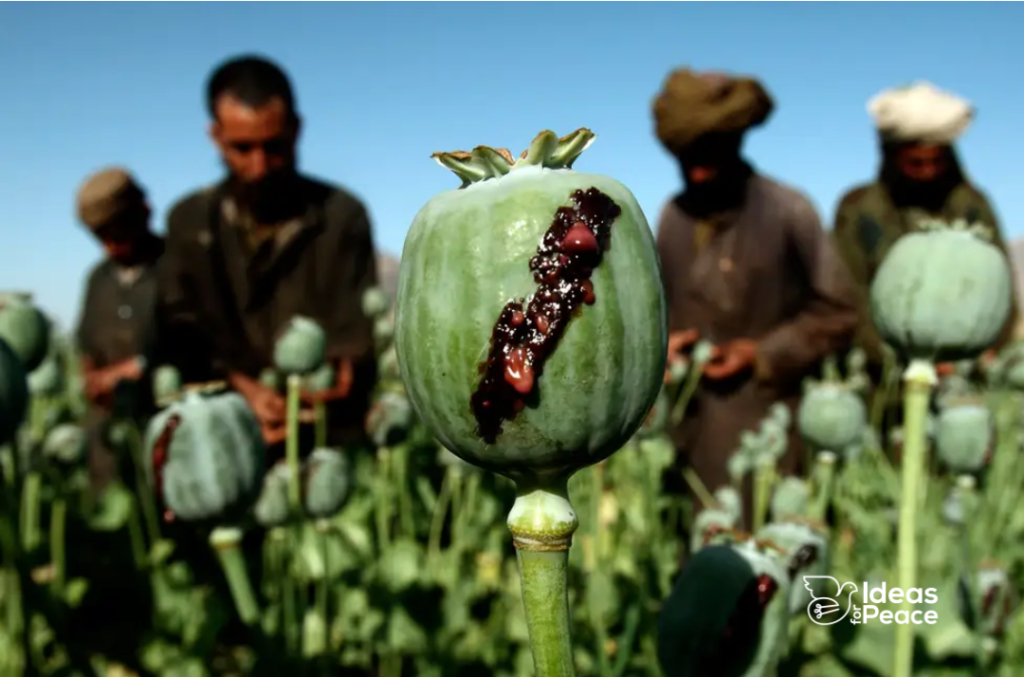
An analysis on the Narco-Trade and its influence on Taliban-occupied Afghanistan Author: Arkadeep Pal Translated into Spanish by Silvana Gordillo González Here’s an undisputed fact, – the 20-year USA-led NATO campaign in Afghanistan can be chalked up in the list of several monumental foreign policy catastrophes by the Western Bloc. As it currently stands, the […]
Human Rights in Afghanistan
Joe Schumacher quizzes Elizabeth Griffin of Essex University on her Amnesty International sponsored inquiry into Human Rights and the Justice system in Afghanistan. She argues for a bigger role for the UN and greater emphasis on security first.
Developing Afghanistan: Past Experiences from Jack Maresca
Developing Afghanistan: Past Experiences from Jack Maresca Author: Interview conducted by Nicole Loschke- PCM Assistant Editor Originally Published at Peace and Conflict Monitor on: 12/07/2009 Q: Knowing what you know about the development of Afghanistan and reflecting back on the political climate after the Cold War, compared to now, how do you see Afghanistan […]
India’s Development Diplomacy: Re-Engaging Afghanistan
The present approach of engaging regional players in Afghanistan by the United States could be scuttled by the bargaining postures of Iran, Russia, Pakistan, India and China on various issues of mutual concern. Rather than overtly depending on United States for guiding India through its AfPak strategy, India needs to proactively engage regional players- Iran, Russia and China through pro-active diplomacy, which could lead to potential joint problem solving initiatives. Also Indian initiatives could help defining issues in Afghanistan more in terms of creating value and bringing stability and security for all the concerned state parties.
Being in Afghanistan is dangerous, not being in Afghanistan is more dangerous
UN Secretary-General Ban Ki-moon writes of the the achievements and challenges facing NATO and the UN in their Afghan mission.
Dumb, Stupid Animals to be Used
Dumb, Stupid Animals to be Used Author: Kim Petersen Originally Published at Peace and Conflict Monitor on: 07/04/2007 Category: Book Review Home Front: The Government’s War on Soldiers By Rick Anderson (Clarity Press, 2004) ISBN: 0-932863-41-8 Rick Anderson, a reporter for Seattle Weekly, opens his book, Home Front: The Government’s War on Soldiers, by referring […]
Military Escalation Will Harm Afghan People, US Interests
“I know that Obama’s election has brought great hopes to peace-loving people in the United States. But for Afghans, Obama’s military buildup will only bring more suffering and death to innocent civilians…”
— Afghan parliamentarian Malalai Joya
Democracy and peace: an over-emphasized relationship
This essay revisits the classical argument of democratic-peace in reference to more recent political events, including the US and UK led invasions of Afghanistan and Iraq, and concludes that democracy in and of itself is an insufficient indicator of a given state’s likelihood of engaging in war. The message of this argument takes on an extra dimension of meaning in light of the recent conflict in Georgia.
Rescuing Afghanistan from Terror: Recommendations for Recovery
The undetermined question: where will Afghanistan go next? Taking a step forward – Al Santoli provides a solution oriented analysis of the insurgency in Afghanistan. Treading through a mud thick of strife, other options must be considered to overcome the increasing number of attacks on civilians and foreign parties and the ever-growing opium industry.