
Peace Starts Here: Empowering Local Voices for Global Harmony
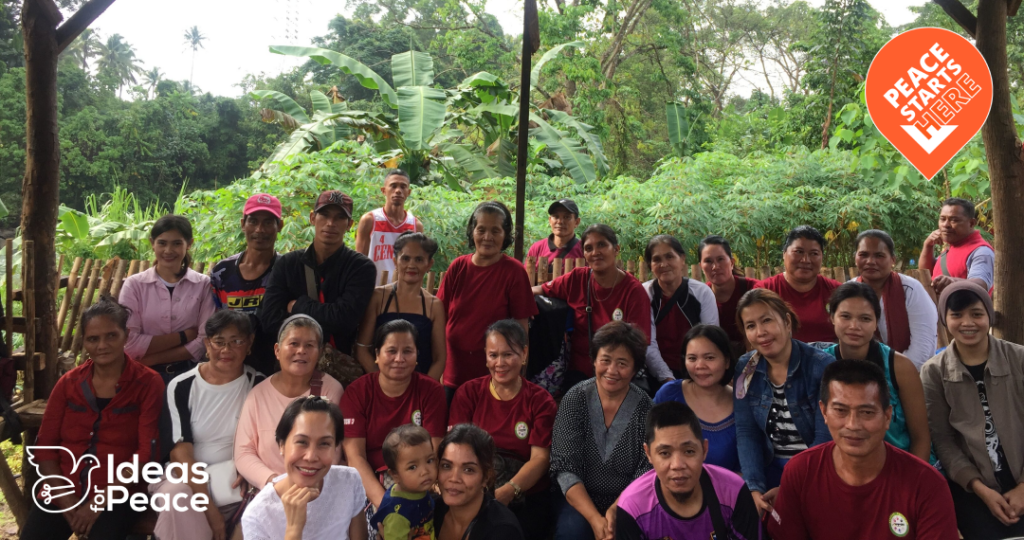
Peace Starts Here: Empowering Local Voices for Global Harmony Author: Jamila-Aisha P. Sanguila In a world plagued by conflict and crisis, achieving peace is a collective imperative. This article discusses a groundbreaking campaign initiated by ten diverse local peacebuilders from across the globe, aiming to catalyze transformative change within the peacebuilding sector. Emerging from discussions […]
Ideas for Peace From Bettina Tucci
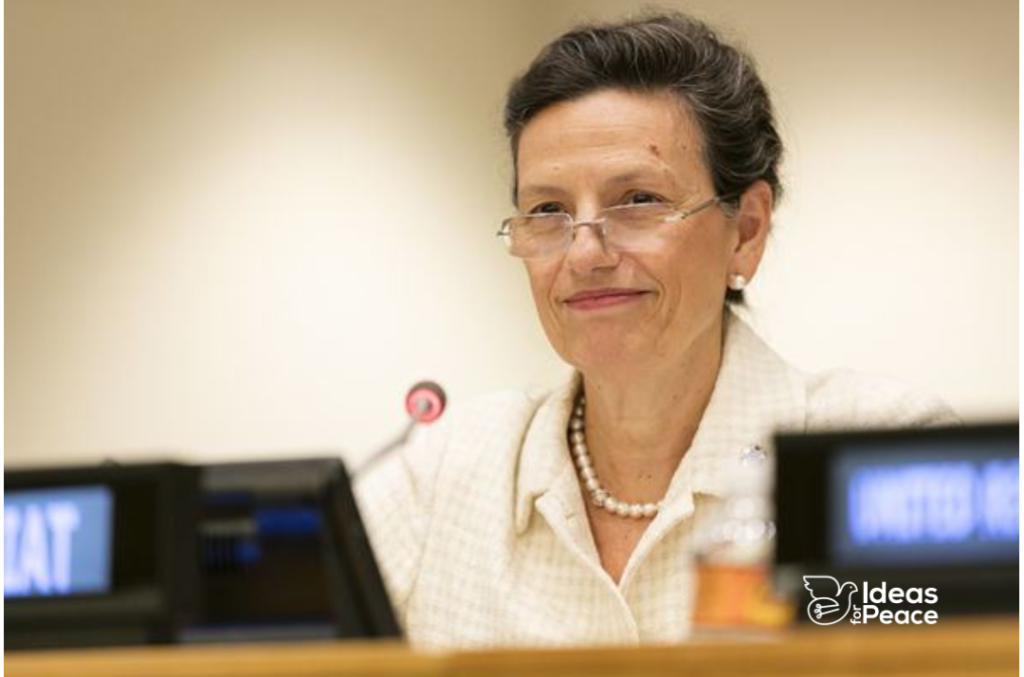
In this edition, we present an interview from 2019 with Betinna Tucci, Assistant Secretary-General and Controller of the United Nations Department of Management’s Office of Programme Planning, Budget and Accounts, in her first visit to the University for Peace. She shared her experiences as a woman in leadership positions in the United Nations, ideas about […]
Common Things: Communication, Community, Communal Peacebuilding
“I do not have thin fingers, as a farmer, my hands become part of the land and its fruits… I need this thick tombs for nurture the vegetables.” Maria Emma Prada is a “countryside lady” in her own words. A woman which has stood up for the rural women in Colombia.
She is one of the most important leaders in Colombia of ANMUCIC (National association of indigenous, afro -descendent and peasant women of Colombia) a main organization of women of the country.
Maria Emma is a refugee in Costa Rica since 2000. Her life and her family were threatened, on the one hand, by paramilitary groups, fuelled by the false news that emerged about her as part of the guerrilla in the national media. On the other, given her efforts to gain access for her organization to the peasant production and infrastructure government projects, the guerrillas believed that she was a collaborator and informant to the Colombian army. She had no choice but to leave the country.
There is an abysm between the facts and the human rights discourse in Colombia. Despite that the National Constitution consecrates Human Rights as a part of the fundamental rights of Colombian people, reality is way too far of the written laws.
Media is part of this huge gap, owe that, instead of promoting the citizen participation in accordance with an attempt of a negotiation of the armed conflict through peaceful means, it has contributed to the re -victimization of people in the countryside and people of social movements, as well that it has facilitated to all sides – guerrillas, paramilitaries and the government – to legitimate the atrocities of war by focused in heroes and villains actions.
It is necessary that media and journalism help to rethink the country that we are and the country we want to be from a human right´s perspective in the new Colombian post – conflict scenario.
Keywords: Colombian conflict, media propaganda, evil, grassroots media, women organizations, victims, communication.
Nonviolent Resistance and the Rise of the Feminine
Rebecca Reeves reflects on the Great Shift of 2012, the balance of masculine and feminine qualities in social and political struggle, and the potential for meaningful transformation in the way peace is conceived of and practiced