
Reflections on Corporate Social Responsibility (CSR)
The following excerpts were taken from reflection papers written by the Responsible Management and Sustainable Economic Development class at the University for Peace during a course on Social Responsibility.
Compiled by Professor Nika Salvetti.
The urban acadademic legacy of Mahmoud El Zain Hamid or : The solemn Scientific Revolutionary
Sven Schulte reflects on the academic legacy of Dr Mahmoud El Zain Hamid, particularly in light of ontological and epistemological considerations, and Dr Hamid’s establishment of a groundbreaking graduate programme at the University for Peace dedicated to the study of peace and security in urban areas.
Valuing Society through Peace Education
Valuing Society through Peace Education Author: Sabrina Sideris Originally Published at Peace and Conflict Monitor on: 10/21/2005 Category: Interview Kazutoshi Yoshino is a student in the Peace Education Programme at UPEACE this year. A member of Soka Gakkai International (SGI), a Buddhist association founded in 1930 in Japan, Kazutoshi strives, like other SGI members, to […]
Peace in the 21st Century: Prospects and Prescriptions
It is increasingly recognized that if civilized society is to contain and defeat international terrorism, we must confront the threat in two related and mutually reinforcing ways. We must maintain adequate levels of military security and take strong, direct action, including military action where necessary, to confront and eradicate terrorism. This is the principal focus of international deliberation and action at the present time. But this is not enough. We must also, through international and national action, and through the efforts of civil society, work together to address the underlying injustices, frustrations and failures that give rise to the hatred and intolerance which drive violence, terrorism and conflict and provide the environment in which they can fester.
Arabic Awakening: Human Dignity and Democracy in Question
A new order is taking shape from North Africa to the Middle East; but as the dust settles down, will the quest for human dignity and democracy continue? Patrick Mugo Mugo analyzes what kind of governance system will win the hearts and minds of millions of the Arabic people: a Western based concept, or Turkish, Korean, Bangladesh or Indonesian models?
Interview with Mary King
ASHOK PATNAIK, a journalist working mostly on the Indian sub-continent, questions Professor Mary King, peace activist, academic, authority on non-violence and author of Mahatma Gandhi and Martin Luther King Jr: The Power of Nonviolent Action, which is about to be reissued in India and elsewhere. Professor Mary King is currently professor of Peace and Conflict Studies at UPEACE where, amongst other duties, she advises the Rector on the development of the Africa programme.
Chatting about Peace
An interview conducted by Vicky Rossi with Ms Julia Marton-Lefèvre, Rector of the University for Peace, and Prof. Abelardo Brenes who is Head of the Peace Education Programme, University for Peace. The interview originally appeared on the Transnational Foundation for Peace and Future Research website, and was conducted via e-mail.
Message to the UPEACE Model United Nations Conference 2014
In this special letter to the participants of the University for Peace Model United Nations Conference 2014 (UPMUNC), Secretary General Ban Ki Moon speaks of the challenges of our time, the efforts of the United Nations, and the need for global cooperation in the building of a more inclusive, compassionate, and peaceful world.
Peace Journalism: A Needed, Desirable and Practicable Reform
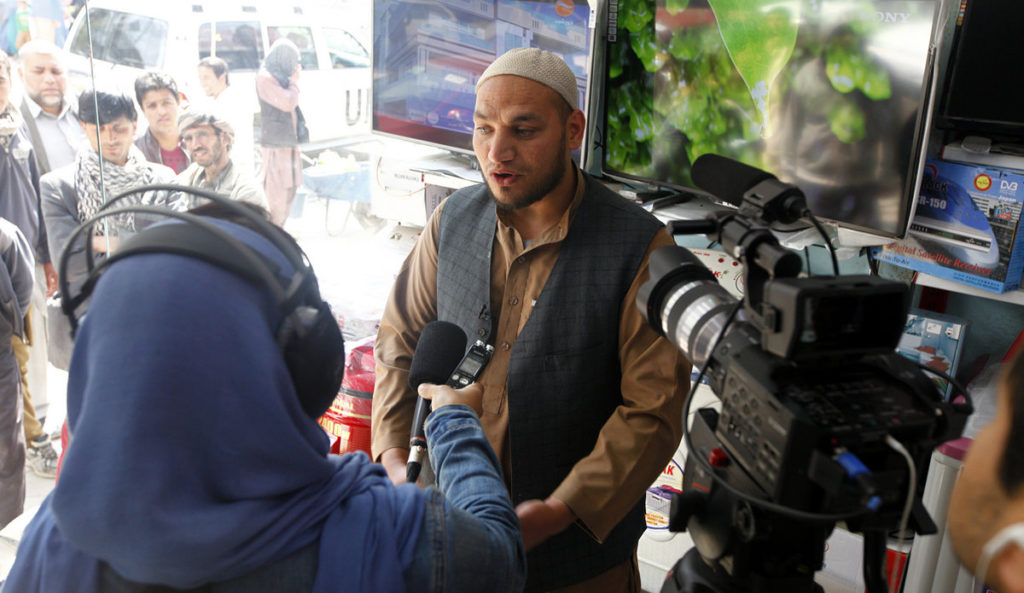
The idea of peace journalism has attracted its share of critiques and controversies, but as Vanessa Bassil argues, it still offers a much needed and practical, peace-oriented perspective from which media can be analysed and produced.
Under the Guise of Protecting Human Rights and Establishing Democracy: US Intervention in Sri Lanka
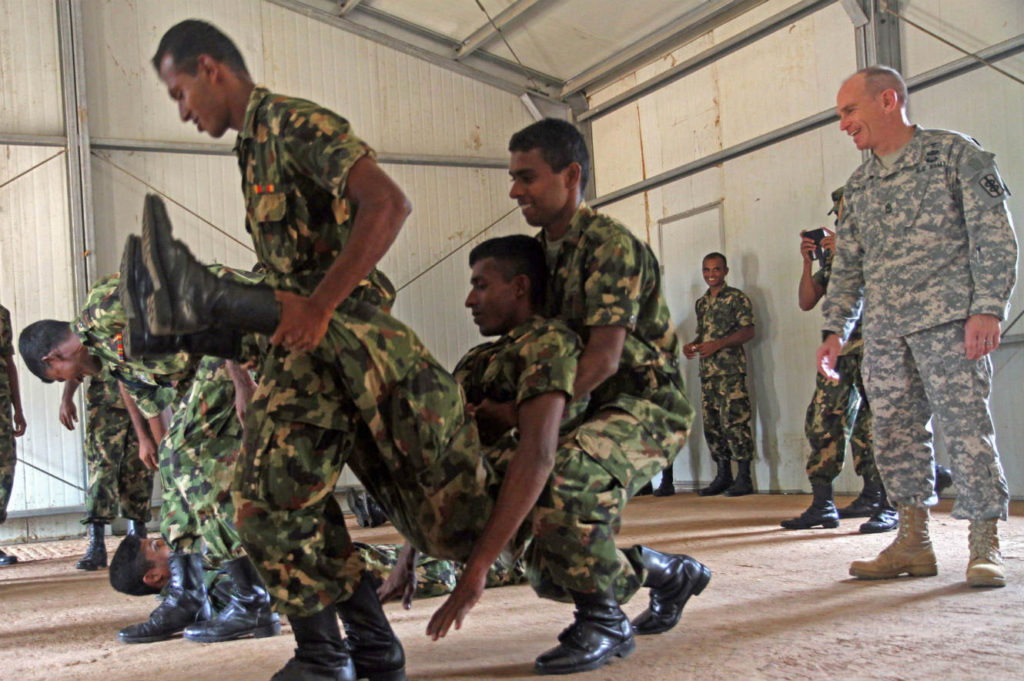
The paper argues that strong US intervention in Sri Lanka after the end of the island’s armed conflict in 2009 is not based on altruistic efforts to protect human rights as presented in mainstream sources, but stems from deepening US geopolitical and ideological interests in the Indian Ocean region. Keywords: Sri Lanka-US relations, US foreign policy, North-South relations, Neoliberal policy, interventionism, Indian Ocean, US-China relations