
Reimagining Sustainable Peace in Tigray: A Transitional Justice Perspective
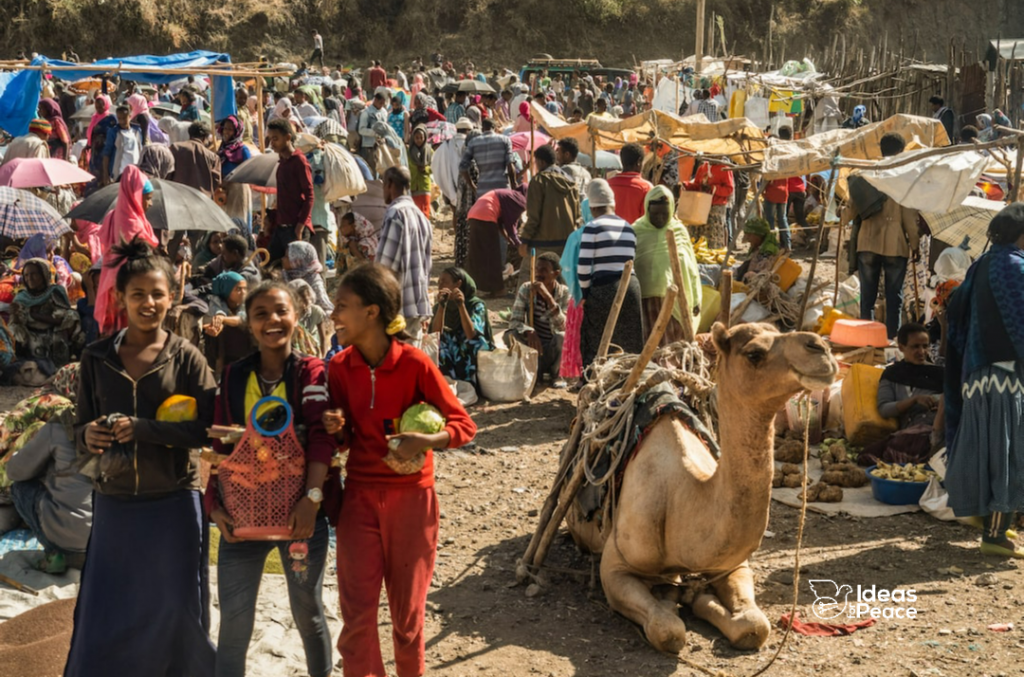
Reimagining Sustainable Peace in Tigray: A Transitional Justice Perspective Author: Markus Penda Mulandula Angula Published on 5 June 2023 According to Andrews, P. (2015), ‘transitional justice mechanisms are non-judicial bodies set up by governments after armed conflict or internal political violence. These mechanisms usually reflect the compromise reached between warring parties during negotiations to end […]
Ending impunity and seeking reconciliation in the Central African Republic: Role of Transitional Justice

The Central African Republic (CAR) has been suffering from long-lasting conflicts and is now required to establish the rule of law through Transitional Justice. Transitional justice is for the recovery of countries devastated by conflict. The United Nations describes Transitional Justice as ‘the full range of processes and mechanisms associated with a society’s attempt to come to terms with a legacy of large-scale past abuses.’ (United Nations General Assembly Human Rights Council, 2014) and it includes judicial and non-judicial mechanisms, such as the prosecution of perpetrators through national, international or a hybrid justice system, and the Truth and Reconciliation Commission. Then, what kind of efforts have been made to establish transitional justice in the CAR? Which system works well in the context of CAR’s complex conflicts?
Transitional Justice in Burundi: Expectations and Concerns
Vital Nshimirimana discusses the transitional justice process as planned by the government of Burundi for 2012. He argues that issues including ongoing insecurity, human rights abuses, lack of dialogue and trust among social partners, as well as lack of rule of law will undermine the process.
Mediators Beyond Borders: Pathways to Peace and Reconciliation
In this timely article, Kenneth Cloke reflects on the potential of mediation to inspire conflict transformation and social development in times of interpersonal as well as international crisis.
Technical aspects of mediation are also discussed, as Cloke draws from his considerable experience in the field, offering practical and accessible advice for the promotion of cooperation and coexistence in our own lives and beyond all borders.
Inclusive Transitional Justice through Truth Commissions: A Book Review
Title: Getting the Truth out of Truth Commissions: Lessons Learned from Five Case Studies
Author(s): Johannes Langer (editor), Miguel Barreto Henriques, Pedro Valenzuela
Publisher: Editorial Bonaventuriana, 2018