
Presentación del Centro Global de Innovación para la Paz y del libro “Innovación para la Paz”
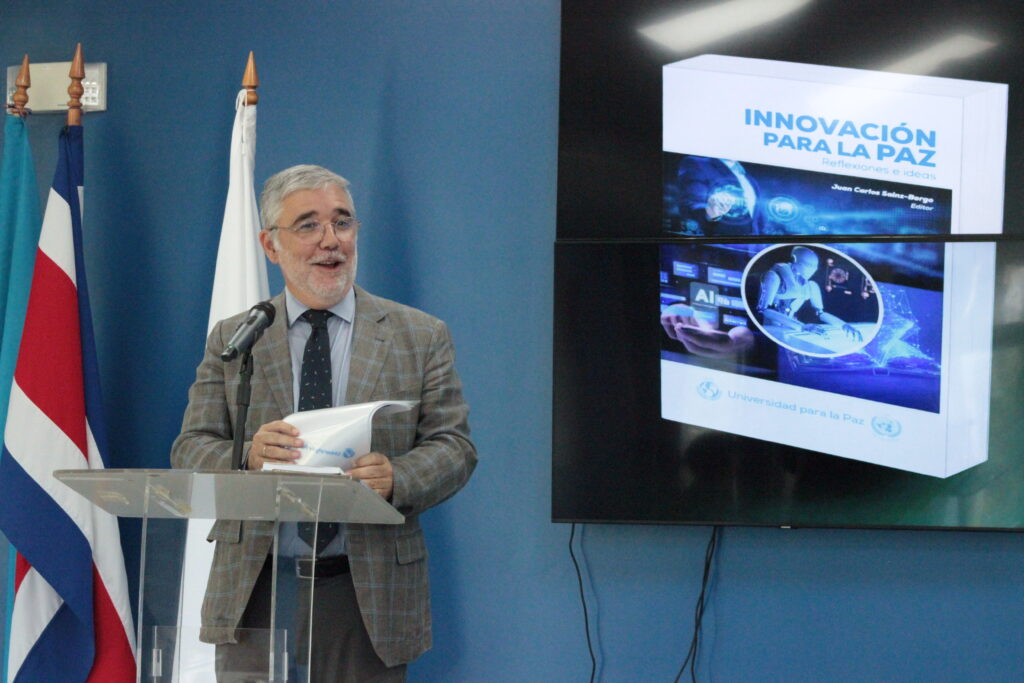
El 1 de abril, la Universidad para la Paz (UPAZ) celebró en su Aula Magna el evento “Innovación para la Paz”, orientado a reflexionar sobre cómo responder a las nuevas realidades en materia de paz mediante la colaboración interdisciplinaria. El Vicerrector, Dr. Juan Carlos Sainz-Borgo, presentó la visión del Centro Global de Innovación para la Paz, creado en 2022 para fomentar un mundo donde paz, innovación y sostenibilidad se sustenten en acción ética y cooperación intercultural. La actividad dio continuidad a los debates que inspiraron el libro Innovación para la Paz. Reflexiones e ideas, presentado en la ONU en 2024, y que en Costa Rica sirvió de base para mesas de discusión sobre áreas prioritarias de innovación (investigación constante, vínculo academia-empresa, capacitación tecnológica y políticas públicas innovadoras), formación de alianzas estratégicas con actores diversos, y exploración de fuentes de financiamiento nacionales e internacionales. Entre los proyectos replicables surgieron laboratorios de innovación tecnológica y programas de microcredenciales. El Rector, Dr. Francisco Rojas Aravena, cerró destacando la importancia de nuevas narrativas para la paz, el arte como medio de expresión pacífica y un desarrollo sostenible centrado en las comunidades.
Animal Welfare as a Crucial Adaptation Strategy in the Face of Climate Change: Case of Northern Ghana

Animal Welfare as a Crucial Adaptation Strategy in the Face of Climate Change: Case of Northern Ghana Author: Niknaz Alemi Climate change, this modern human crisis, has its effects felt everywhere around the world. Heatwaves, wildfires, water shortages, and more are increasingly impacting more people after so many years of scientists urging attention and prioritizing […]
Short series: Circular Economy in brief Part 3

Short series: Circular Economy in brief Part 3. Disposal Author: Alonso Muñoz Solís The aim of this 3-piece series of papers is to introduce the reader to the characteristics of a circular economic system. I will do so by comparing each of the phases of the linear system with those put forward by the proponents […]
Short series: Circular Economy in brief Part 2
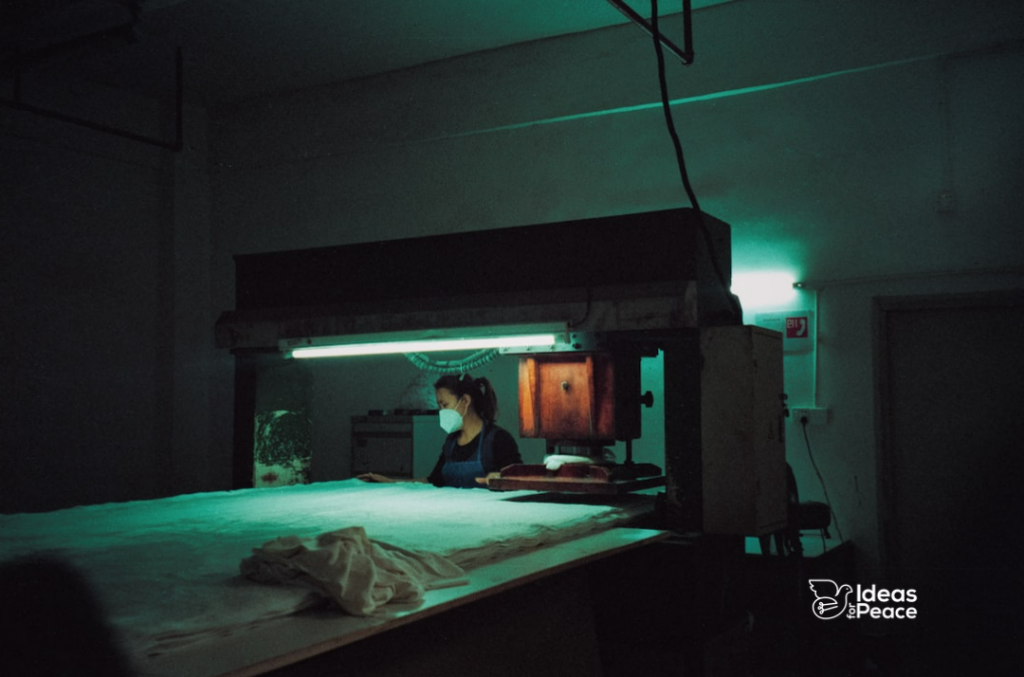
Short series: Circular Economy in brief Part 2. Energy, Production and Usage Author: Alonso Muñoz Solís The aim of this 3-piece series of papers is to introduce the reader to the characteristics of a circular economic system. I will do so by comparing each of the phases of the linear system with those put forward […]
Short series: Circular Economy in brief Part 1

Short series: Circular Economy in brief. Part 1. Introduction Author: Alonso Muñoz Solís The aim of this 3-piece series of papers is to introduce the reader to the characteristics of a circular economic system. I will do so by comparing each of the phases of the linear system with those put forward by the proponents of […]
Ideas for Peace From Bettina Tucci
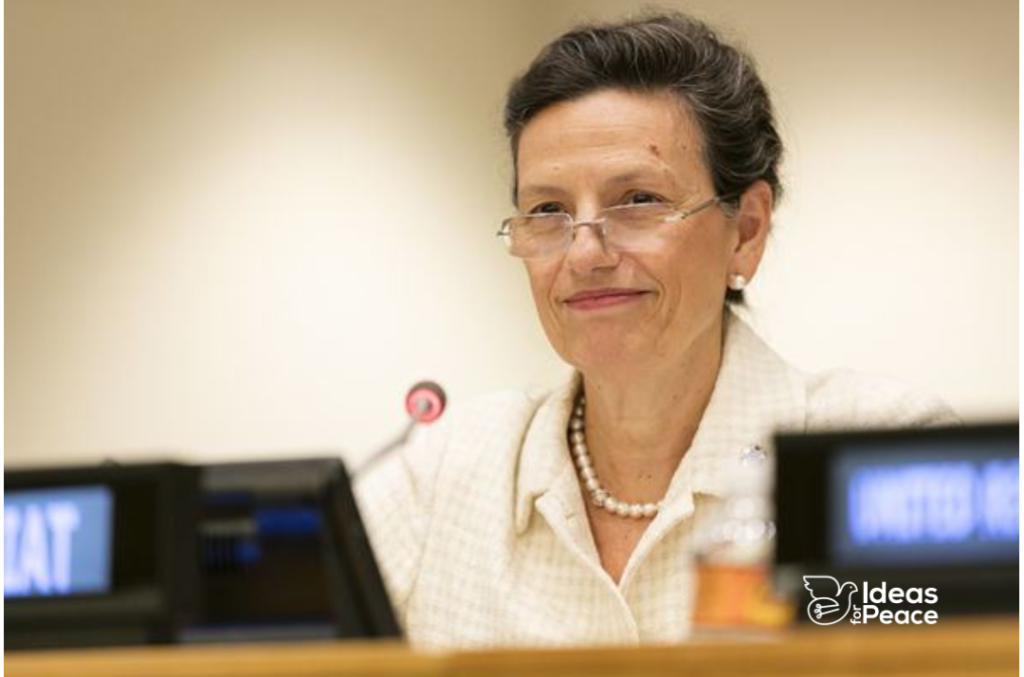
In this edition, we present an interview from 2019 with Betinna Tucci, Assistant Secretary-General and Controller of the United Nations Department of Management’s Office of Programme Planning, Budget and Accounts, in her first visit to the University for Peace. She shared her experiences as a woman in leadership positions in the United Nations, ideas about […]
Interview with Pratyush Sharma
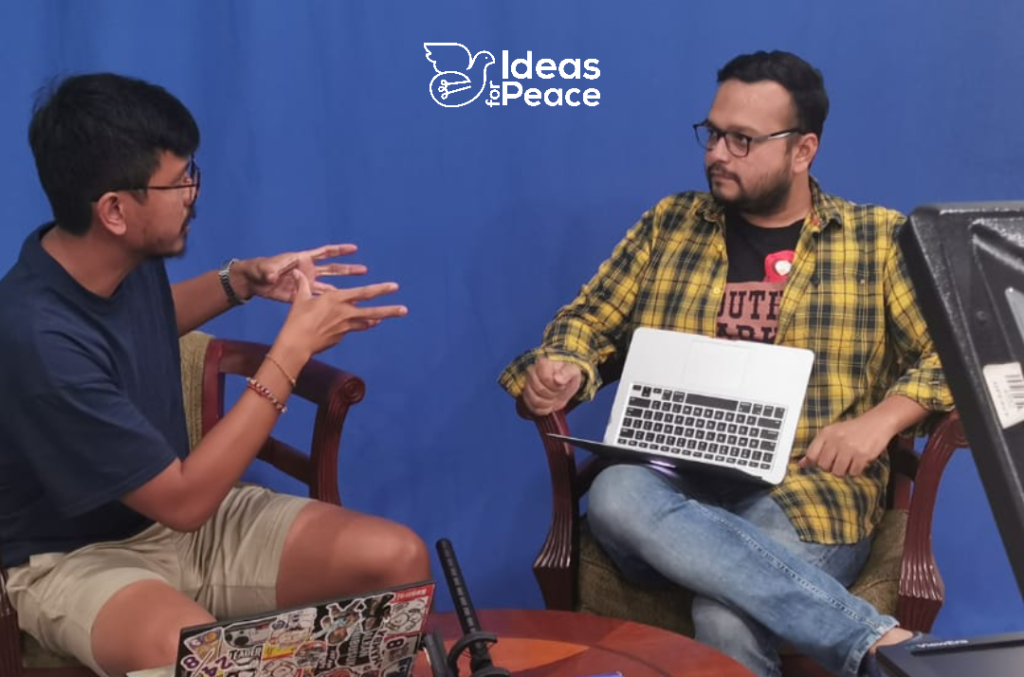
In this episode, Pratyush Sharma, UPEACE’s doctoral candidate, discusses his latest publication about South-South cooperation.
The evolution of the right to development in international law, from the post-WWII to present times

The right to development emerged from newly independent States and their claim for compensation for the damages caused by colonial rulers
Ideas from Peace from Dr. Lesya Sabada
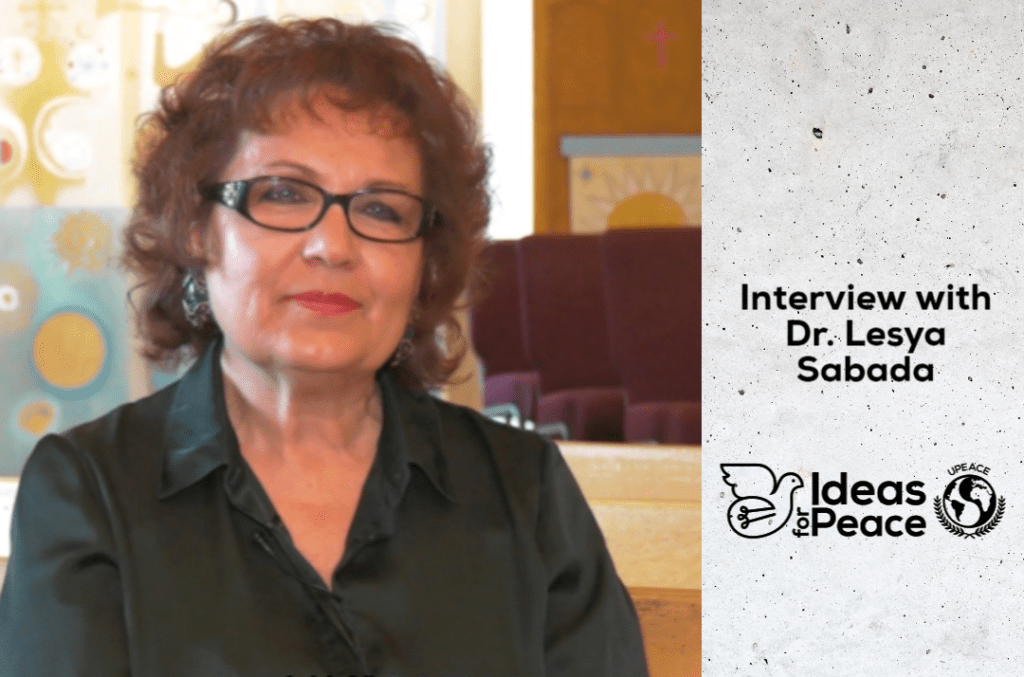
Professor Lesya Sabada explains how religious beliefs relate to the protection of the environment, peacebuilding, and sustainable development
Operationalizing SDG’s through Legally Binding Instrument on Right to Development
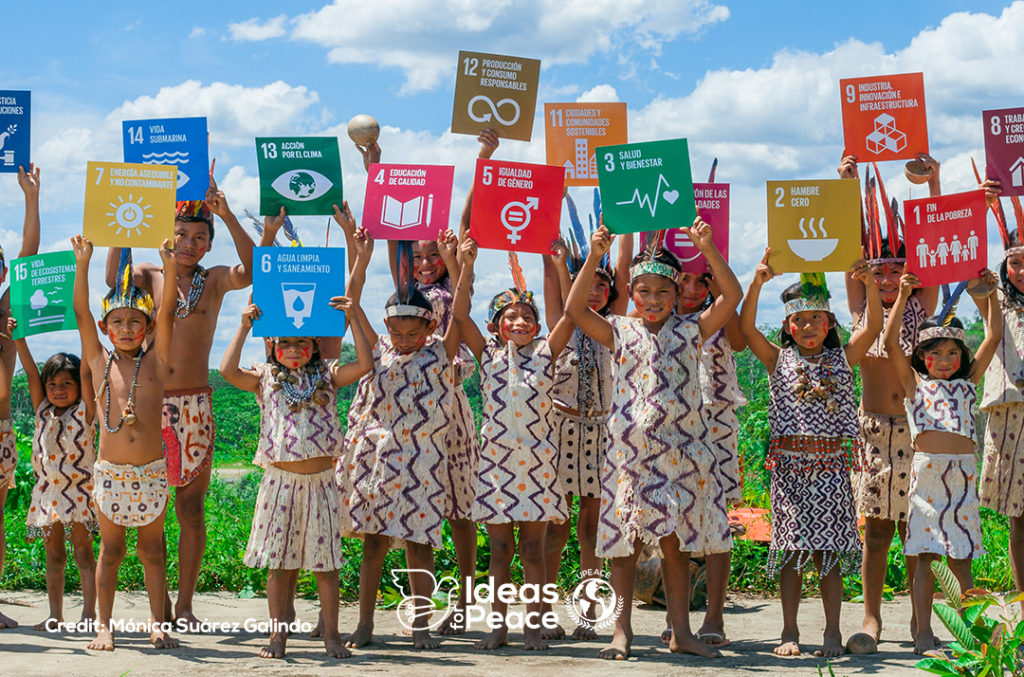
Sustainable development requires the adoption of an international legal framework that guarantees the Right to Development, in this article Manveer Singh Sandhu discusses how it can be adopted