
Short series: Circular Economy in brief Part 3
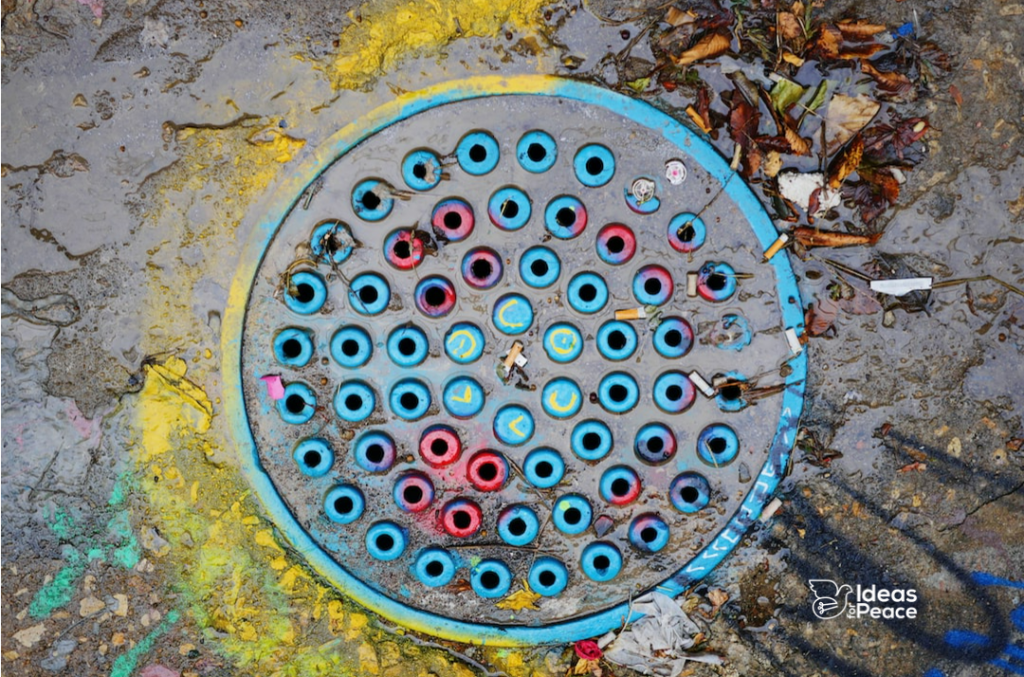
Short series: Circular Economy in brief Part 3. Disposal Author: Alonso Muñoz Solís The aim of this 3-piece series of papers is to introduce the reader to the characteristics of a circular economic system. I will do so by comparing each of the phases of the linear system with those put forward by the proponents […]
Short series: Circular Economy in brief Part 2
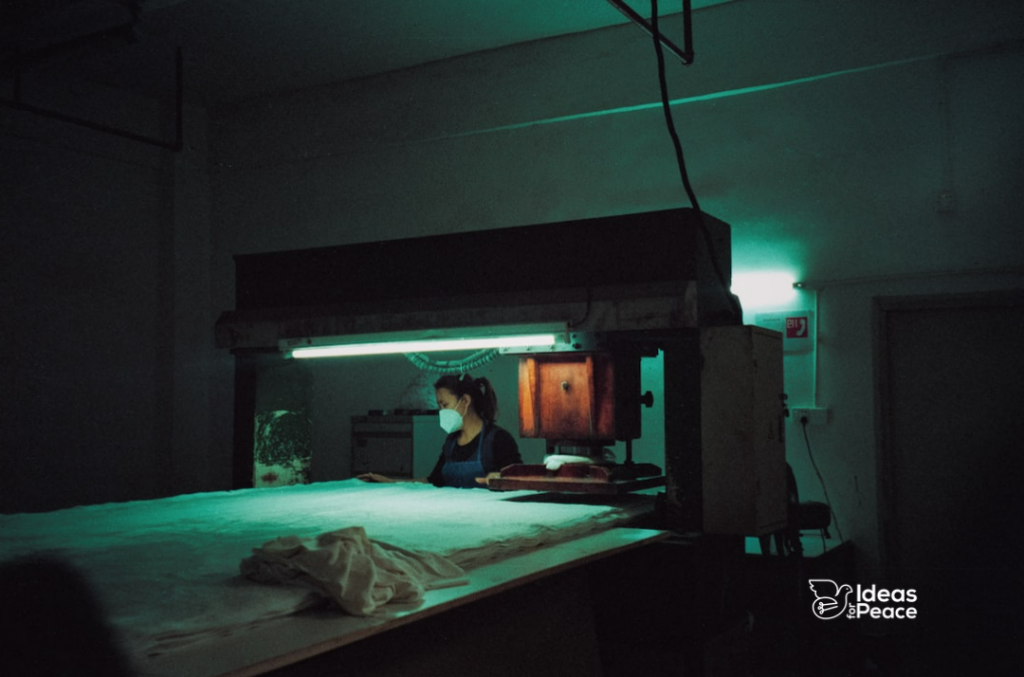
Short series: Circular Economy in brief Part 2. Energy, Production and Usage Author: Alonso Muñoz Solís The aim of this 3-piece series of papers is to introduce the reader to the characteristics of a circular economic system. I will do so by comparing each of the phases of the linear system with those put forward […]
Short series: Circular Economy in brief Part 1

Short series: Circular Economy in brief. Part 1. Introduction Author: Alonso Muñoz Solís The aim of this 3-piece series of papers is to introduce the reader to the characteristics of a circular economic system. I will do so by comparing each of the phases of the linear system with those put forward by the proponents of […]
Indigenous Production & Globalization in Central America
Brett Sheppard recently made a special study of Central American indigenous communities in the context of the Indigenous Community Integrated Ecosystems Management (GEF) Project of the World Bank, and notes the importance of both cultural as well as biodiversity.
The Current Global Paradigm: Obsession with Production
“For the rich to live on the backs of the poor,
the poor need to have backs that will not break.”
– Unknown
Break this statement down into context. In the context of globalization, socio-economics, and social politics, this statement can be rewritten as: “To continue exploiting a resource, that resource must be limitless.” When I first began critically analyzing this sentence, I focused on proving how it represented an economical and political fallacy. I had a rhetorical paper, full of morals and ethics when I finished. It was full of how this neo-slavery paradigm was immoral and therefore it must constitute an overall negative impact when it came to global politics and economics. How could anything that was immoral prosper? I grabbed my laptop and began my web-search. I turned up with nothing; a few blogs, a few anti-globalization organizations, and vague articles from unknown sources.
It was then that I realized that this statement, no matter how morally disgusting it sounds, not only represents an efficient means for a productive outcome for economies and their governmental policies, but it also represents the current global ideology. The following paper will demonstrate how the above statement: “For the rich to live on the backs of the poor, the poor need to have backs that will not break” summarizes the current globalization paradigm. The contents will accurately highlight society’s current obsession with production, and discussion will continue on why it is important to understand this sentiment when it comes to exploring alternative paradigms that support economies and governments that exist for the benefit of the people, all people, globally. After consideration of all of these points, this paper will conclude with the question of if our current global paradigm should continue, or if it is time for a global frame shift in ideology.