
Warring factions in Libya show little regard for civilian life, says UN, reporting ‘gross’ rights abuses
New report by the UN Support Mission in Libya and the Office of the UN High Commissioner for Human Rights documents widespread human rights abuses and other violations of international law.
The UN’s Intellectual Challenge Today
The future is here, the world is changing, and the United Nations must as well. In view of that, the United Nations Intellectual History Project (UNIHP) nears completion. It identifies three types of challenges for the UN: Intellectual, participatory, and personnel. Louis Emmerij, co-director of the UNIHP, brings us this synopsis of the project and what it means for the UN.
Charlie Wilson’s War
Author George Crile published Charlie Wilson’s War in 2003. The former CBS journalist began researching the U.S. involvement in Afghanistan around the 1980’s. Crile investigated the life and work of Charlie Wilson, a former U.S. State Representative from Texas and former U.S. naval officer. Wilson is most known for leading “Operation Cyclone,” a CIA operation which allegedly led to the creation of the Afghan Mujahidin groups.
In a PCM interview with University for Peace Rector John Maresca, Charlie Wilson’s War was a highly recommended resource for understanding the fragile state of Afghanistan.
The Need for Security Sector Reform in Afghanistan to Curb Corruption
This paper, on the basis of available literature and organizations’ experiences, aims to evaluate and analyze the institutional limitations and weaknesses of the police and judicial sector of Afghanistan’s security sector.
Understanding the trends and inadequate practices in the services delivery systems of the Afghan security sector will set the stage for possible policy recommendations to enhance the effectiveness of the sector and curb corruption. Subsequently, identification of effective and feasible policy recommendations to enhance the performance of the Afghan police and judicial sector will enable other service delivery institutions to resourcefully implement development initiatives.
The creation of Iraq’s food insecurity 1980-2008
The fertile lands between the Tigris and Euphrates rivers, and the wheat planes just south of Basra were, until the 1980s, the base of a robust agricultural sector in modern Iraq. This essay traces the steady and tragic decline of the Iraqi food system over the last 3 decades, emphasizing the political and economic policies of the US, Turkey, the former Baathist regime in Iraq, and the UN.
Reconstructing the Notion of Youth
Youth are variously described as the hope and future of our species or the most irresponsible and potentially violent of our kind. Unfortunately, it seems as though this later view has gained ground among certain social critics who see a large youth populations as potentially destabilizing to society. As Shahbaz Israr Khan argues, it’s time to reconstruct our notion of “youth”.
The Rise of Al Jazeera
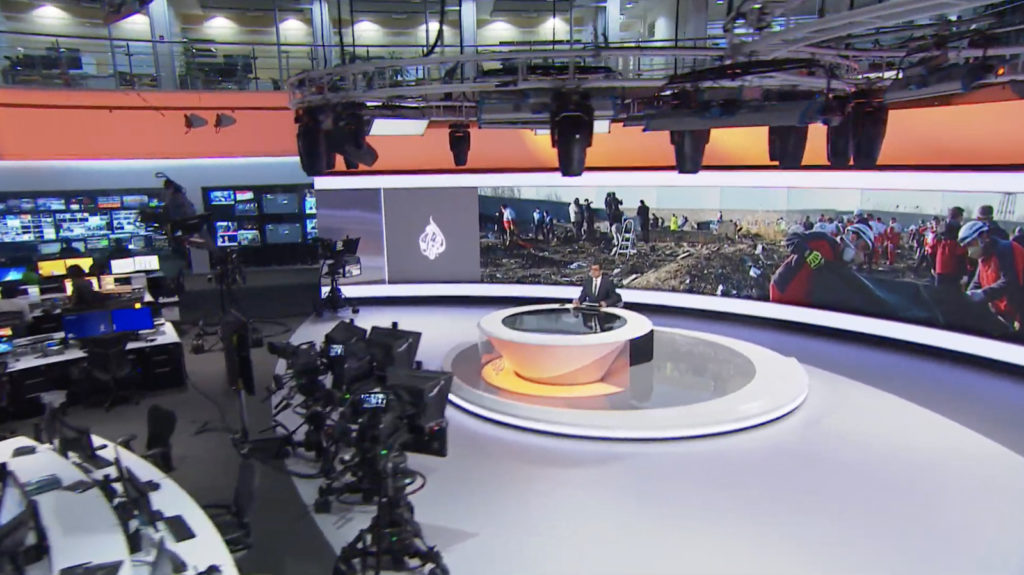
Al Jazeera is likely the most controversial media phenomenon of the last few decades. But say what you will about the goodness or badness of it, its effect is undeniable. Al Jazeera has done what no other media before it could: bring all Arabs together, under one umbrella, to speak their minds.
Recognition of Statehood or Recognition for Statehood: The Legal Strategy behind Palestine’s Application for UN Full Membership
UPeace graduate student Bernard Ntahiraja examines the legal basis behind the strategic 2011 application for full membership of Palestine within the United Nations. He concludes that strategy as opposed to a sincere legal claim to statehood inspired Palestine’s bid before the UN, with the clear objective of accelerating the process toward true international recognition of a Palestinian state.
Mantras and Maxims about Mabhouh: Analyzing An Information Overload
What is the real story behind Mahmoud Al-Mabhouh’s Dubai death? After understanding the Palestinian Question, Hamas and Mossad, this essay will tackle an information overload and analyze how Israel’s The Jerusalem Post, Dubai’s Khaleej Times and Britain’s The London Independent covered this James Bond style, January assassination. Who said what, how and why; terrorists and spies, accusations and blame, military shopping-sprees, involvement of outsiders and identity fraud.
Peace movements
February 15 2003 saw the biggest public demonstration worldwide against the war on Iraq. Since then a large number of the organizations involved have continued to voice their concerns over the occupation of Iraq, although interests have broadened to embrace less high-profile conflict situations The following details a selection of the hundreds of organizations and their plans for helping to bring peace.