
Prospects for an ASEAN Court of Human Rights
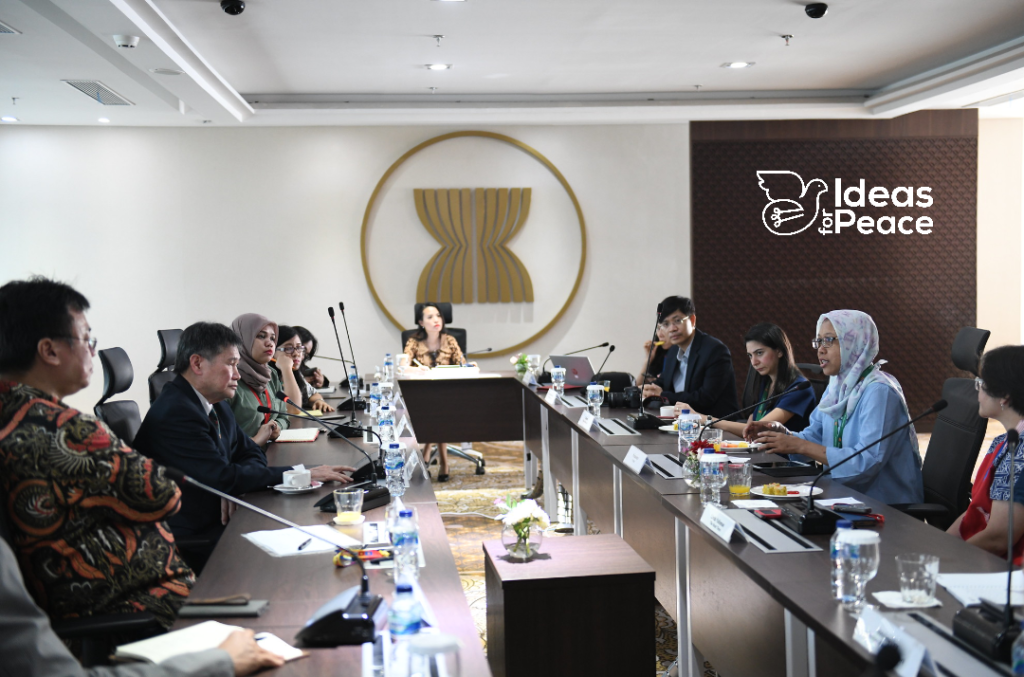
While it may take a gargantuan effort, it is not far-fetched that ASEAN member-states can eventually find consensus on creating a regional human rights court. The incorporation of human rights provisions in the ASEAN Charter and the establishment of the AICHR are themselves strong indications that it is possible.
Ideas for Peace Series – United Nations 75th Anniversary
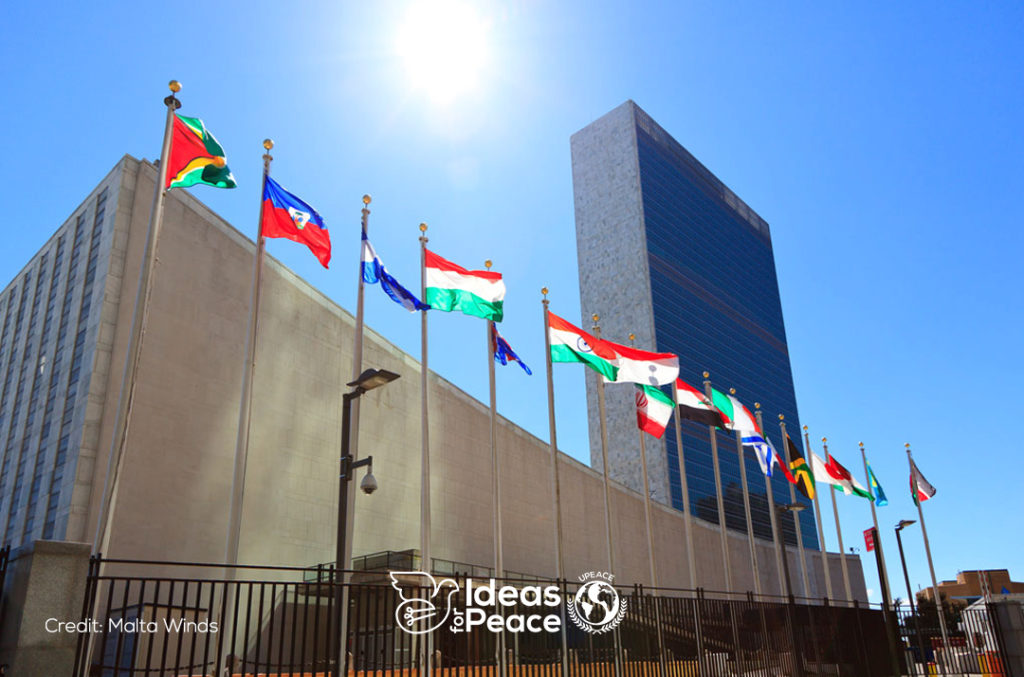
Francisco Rojas discusses the challenges that the United Nations faces to achieve the 2030 Agenda and remain as the international peacekeeper
The Influence of Judicial Institutions
The purpose of this paper is to analyze the mechanism through which international institutions in general and international courts and tribunals in particular exercise influence. The paper will start with some introductory remarks concerning the philosophical roots of the concept of institution and its link with the idea of law. Using a sociological framework, the discussion will address the relations that exist between institutions and their environment and, therefore, how influence is constructed and exercised upon other entities.
Water Security in the Sixaola River Basin
The Sixaola River Basin crosses the border between Costa Rica and Panama, and is home to Yorkín and Bribrí communities, raising legal and social challenges for equitable and secure water management. This paper outlines some of these challenges and makes recommendations for reducing human vulnerability to hazards (particularly floods) and for improving relationships among stakeholders.
Reconstructing the Notion of Youth
Youth are variously described as the hope and future of our species or the most irresponsible and potentially violent of our kind. Unfortunately, it seems as though this later view has gained ground among certain social critics who see a large youth populations as potentially destabilizing to society. As Shahbaz Israr Khan argues, it’s time to reconstruct our notion of “youth”.
ILO Convention 169: Free, prior consent and the Diquís Hydroelectric Project in Costa Rica
The Costa Rican government is pushing for the construction of the Diquís Hydroelectric project in the Southeastern part of the country, where indigenous peoples live. The Costa Rican law recognized the autonomy of these territories in the 1970’s and yet it insists on ignoring and overruling its own law, for the “benefit of the country.” A similar situation in Brazil has resulted in massive protests as the indigenous peoples are being marched upon. Their right to free, prior and informed consent, as prescribed by the ILO’s Convention 169 is being ignored. The Organization of American States as well as Special Rapporteur James Anaya have already expressed their concern about the situation.