
Nigeria: Fuel subsidy removal and the national crisis
Nigerians were taken by surprise earlier this year when the government dropped fuel subsidies, a move which effectively double the cost of living for many, and prompted massive protests. Labour organizations, #OccupyNigeria groups, unemployed youth, and many other Nigerian citizens have since begun to cross religious, geographic, age, and class divides to seize this historic opportunity and participate more effectively in the political process. In this article, Fatima Kyari Mohammed shares her insights, and some of her photos.
Who Will Save Darfur
Genocide in Darfur is stuck between international bureaucracy and lethargic, discriminate Sudanese politics. Pkalya probes Western states, special interests, and humanitarian aide initiatives, while we sit and wait to see who will save Darfur.
The real roots of the 2007-2009 economic crisis: questions and answers
Simon Stander discusses the real roots of the 2007-2009 economic crisis with questions and answers and with help, sometimes but not always, from Karl Marx. As is occasionally said Marx is good for analysis but not always for prediction. Simon Stander, formerly professor of Peace Studies (and founding editor of the Peace and Conflict Monitor) at UPEACE seems to agree.
The political Crisis of the 2017 Honduran Election
Daniel Bagheri reports on the ongoing tensions in Honduras following the 2017 national elections.
Structural Violence and the International Political Economy
In the contemporary world, the phenomenon we call globalization has brought to life ideas and predictions previously thought impossible. There has been a global diffusion of information technologies and communications, such as the internet, cell phones and satellite television; the facility of international travel; the increased accessibility of consumer goods and services; and the sharing of unique cultures and customs. While on the surface these realizations seem undoubtedly advantageous, they are not without their own serious downsides. Most notable is the fact that as globalization gained influence in the world, largely throughout the 1990s, the actual number of people living in poverty had increased by almost 100 million(1). To make sense of this dark irony, this increasing polarization between haves and have-nots, we must examine the underlying causes and systems driving the distribution of wealth and debt in the twenty-first century. Broadly, such a system might be referred to as the international political economy
Talking Peace for North Korea
The announcement last week that China, Japan, North and South Korea, Russia and the United States will meet within one month for multilateral talks on the North Korea issue has been greeted worldwide with unbridled optimism (‘A Welcome First Step on the Path to Korean Peace’, South China Morning Post, 2 August, 2003). A military solution has largely been ignored or downplayed, with the exception of a predictably hawkish article by former CIA Director R. James Woolsey in the Asian Wall Street Journal, detailing why an invasion of North Korea would be logistically easier and politically less sensitive than the invasion of Iraq.
Nukes in Iran

If Iran goes nuclear, the rest of the world, but the Middle East in particular, will have to live with it. If diplomtaic overtures don’t do the trick, is another US invasion in the offing?
South Sudan’s Post-Independence Challenges: Greed or Grievance?
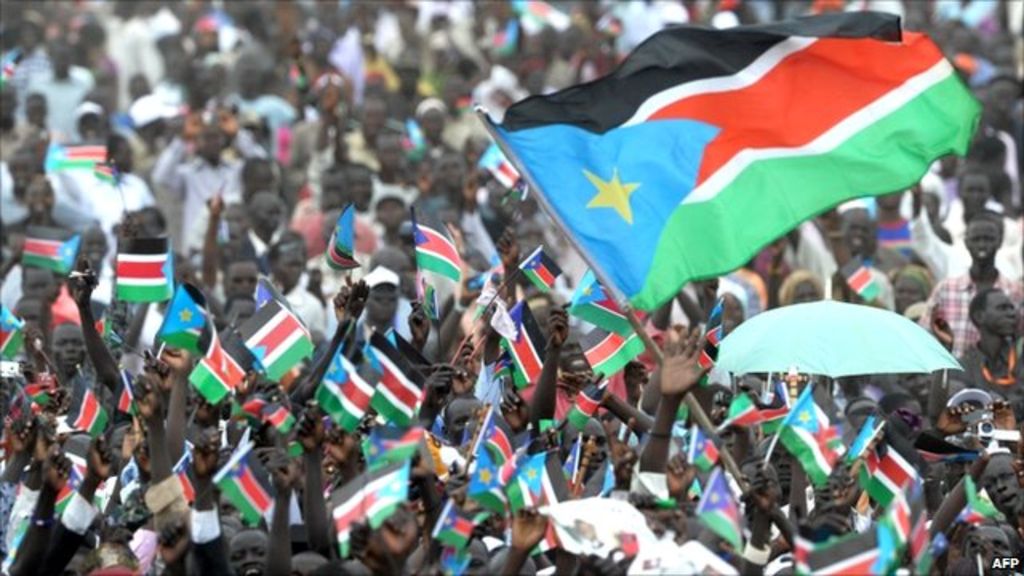
It is now eight months since South Sudan joined the family of nations as a newly independent state. However, as the South Sudanese struggle to find their bearings in a very unpredictable world, compounding challenges seems to be wearing heavily on them. Elizabeth Tesfaye Haile takes stock of how some of these challenges are redefining South Sudan’s dynamics, inquiring as to whether it is greed or grievance at the heart of the simmering tensions.