
Ideas for Peace Series – The role of the United Nations in Venezuela
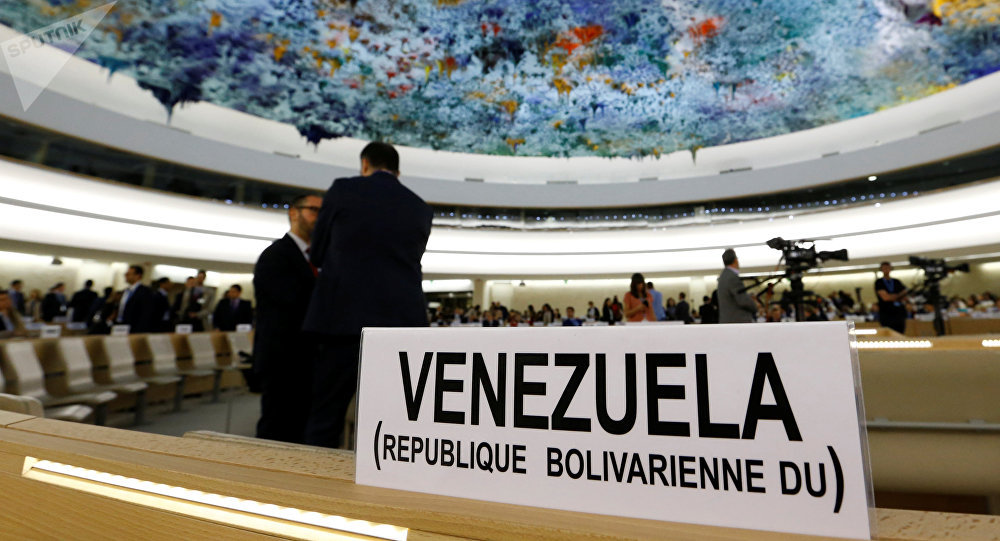
Ideas for Peace Series – The role of the United Nations in Venezuela Venezuela is going through one of the most complicated crises in the world. There is a constant and progressive deterioration of the legal and political institutions and the economic situation; which has increased social inequalities and poverty. Considering this situation, and in […]
Building Bridges in Mostar
“There is scope for a workable compromise in Mostar that can win support from all concerned”, says Senad Slatina, Sarajevo-based analyst for ICG, “and it is a solution that can be applied as a model for city government throughout the Federation and BiH.”
Georgia-South Ossetia-Russia: Proposals for Immediate Steps to be taken to End Hostilities and Address Humanitarian Impacts
Kai Brand-Jacobson outines some recommendations for various actors and interest groups, including the Joint Control Commission, the EU, the US, the UN, and the Media. Rather than escalating and intensifying this conflict, these groups must realize that a peaceful resolution and a return to dialogue is in everyone’s best interest.
Kenya in Crisis
An in-depth look at the background of the Kenyan crisis, disputes over the election, and the potential for re-establishing peace in the near future.
Peace in Aceh
Three years after the historic Memorandum of Understanding was signed, Endro Kristanto discusses the long standing struggle between Aceh independence advocates and the Indonesian government, the current challenges to peace, and the necessities of building trust, protecting human rights, and moving towards political reconciliation.
Save Who from What? Exploring the Ethics of the Save Darfur Coalition
Save Darfur patently aims to “save Darfur” by raising awareness, not by providing on-the-ground humanitarian assistance. This is clearly defined on the organization’s website. Yet, through the advertising techniques employed in its media campaigns, the Save Darfur coalition misleads the public by giving off the image of a humanitarian relief organization. Maggie Schwalbach takes a closer look at the coalition’s media campaigns and investigates the assumptions present in the advertisements by exploring the moral consequences of raising awareness based on victimization and perpetuating stereotypes of Africans as helpless.
Syrian Refugee Crisis: A Call to Action
Tags: Canada, Syria, Hungary, Refugee crisis, human Rights
Doublethink and Dictatorship: The Legitimacy of the State in Burma/Myanmar
The immesurable tragedy that unfolded in Myanmar last month is a sobering reminder of the extent to which poor governance can multiply human suffering in the aftermath of a natural disaster. The Burmese military government’s delay of humanitarian assistance and hostile attitude towards the international community undoubtedly increased the death toll of the cyclone, and stands out as another black mark on the regime’s claims to legitimacy. As Hamish Low describes, even before their deadly mismanagement of the cyclone, the Burmese Junta’s illegitimacy was patently clear.
Reconstructing the Notion of Youth
Youth are variously described as the hope and future of our species or the most irresponsible and potentially violent of our kind. Unfortunately, it seems as though this later view has gained ground among certain social critics who see a large youth populations as potentially destabilizing to society. As Shahbaz Israr Khan argues, it’s time to reconstruct our notion of “youth”.
Challenges to Disarmament, Demobilization and Reintegration: The Case of the Niger Delta
It is my contention that, desirable as it is to conduct a DDR programme in the region, there are certain critical preconditions that have to be met for it to be successful. Analysing these preconditions was the main focus of this paper and contribution to the proposed DDR in the Niger Delta region of Nigeria.
But it will take more than disarmament, commitment and drawn out negotiations to obtain peace in the Niger Delta.
Not only are stakeholders faced with a history of corruption and bad governance, poverty and youth unemployment, but also and arguably the biggest challenge of the future: trust. Solomon Inuwa analyses, with first hand experience, the core needs to be met before embarking on the first steps towards peace.