
Democracia y participación en el proceso de paz colombiano: una oportunidad a la paz postliberal
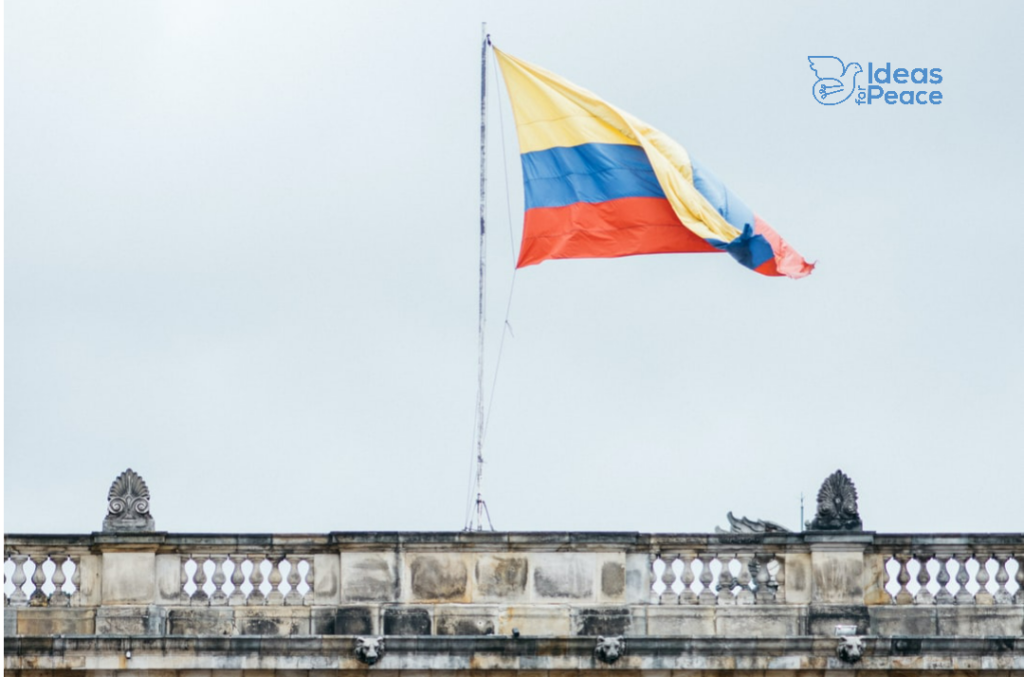
Democracia y participación en el proceso de paz colombiano: una oportunidad a la paz postliberal Autor: Mauricio Abraham Rosales Schettini El conflicto armado colombiano fue de los más prolongados y tardíos en llegar a una fase de negociación entre las partes para ponerle fin. Con más de 50 años de historia, este conflicto atravesó momentos […]
Ideas for Peace Series – The role of the United Nations in Venezuela
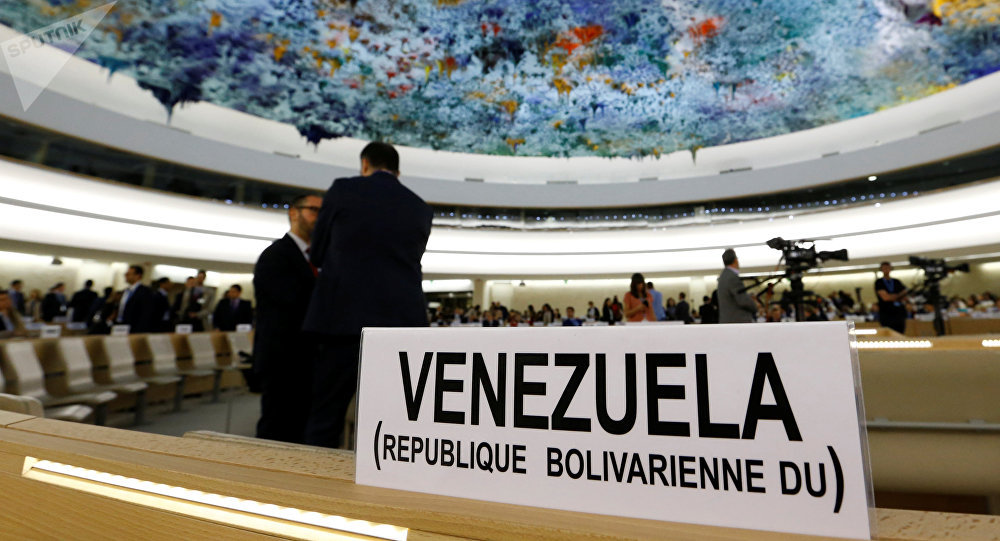
Ideas for Peace Series – The role of the United Nations in Venezuela Venezuela is going through one of the most complicated crises in the world. There is a constant and progressive deterioration of the legal and political institutions and the economic situation; which has increased social inequalities and poverty. Considering this situation, and in […]
The Venezuelan conflict is not about ideology, is about democracy, oil, and power

The Venezuelan conflict is not about ideology, is about democracy, oil, and power Author: Diego Bautista Translated into Spanish by Silvana Gordillo González It is not about ideology “I question where are the flags of the Social Democracy and Social Christianism parties and how can they be against this Bolivarian revolution” (Rafael Ramirez, 2014) Due […]
Removing a Confederate Statue in St. Augustine, Florida
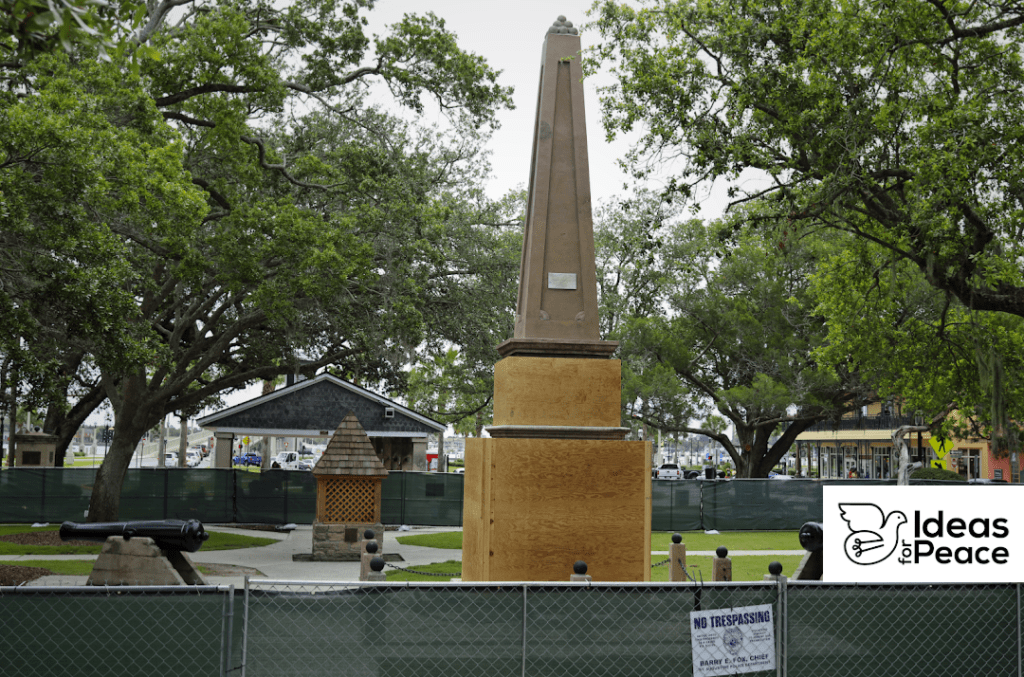
This article explores different group perceptions of history on identity and structural violence against the Black community in St. Augustine
Freedom of Expression in Sri Lanka: A Human Rights-Based Approach
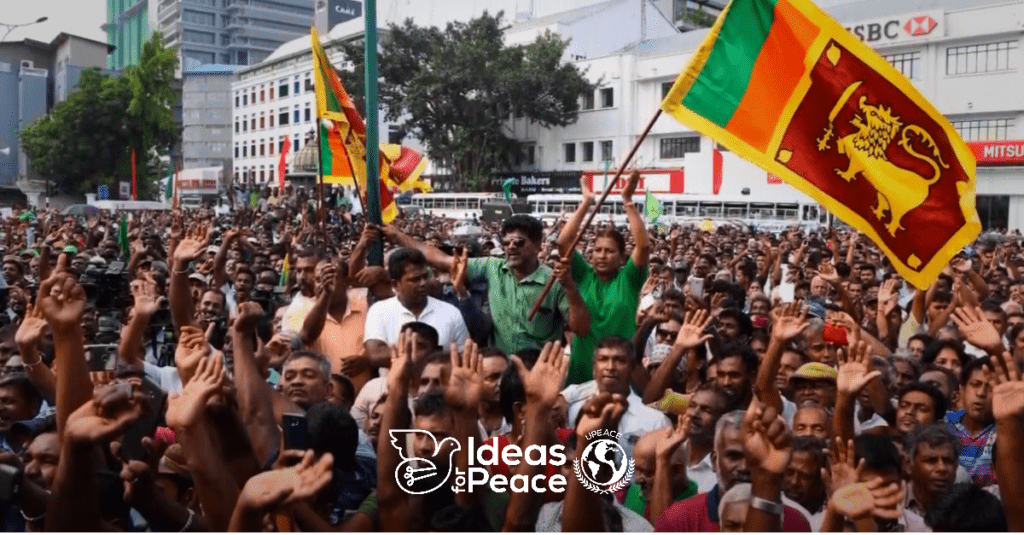
A human rights-based approach to the exercise of the right to freedom of expression through social media in Sri Lanka between 2018 and 2019
Nagorno-Karabakh conflict: Intractable?
Finding a compromise solution to the Nagorno-Karabakh conflict is usually considered the prerequisite for peace and cooperation in the Caucasus. The analysis of the conflict, however, shows that the mutual mistrust and animosity of Armenians and Azeris presently is so high that even the smallest concession, particularly related to the status of Nagorno-Karabakh, is unacceptable to either side. As long as those attitudes persist, no compromise can be reached. The approach, therefore, has to be reversed. In stead of pressing parties to compromise, peace-building efforts must foster regional cooperation. If a high level of regional economic and security integration in the Caucasus is achieved, the significance of the status of Nagorno-Karabakh will decrease, which in its turn will clear a path for a sustainable peace.
Defining Conflict Transformation
Defining Conflict Transformation Author: Originally Published at Peace and Conflict Monitor on: 08/23/2006 Category: Book Review Defining Conflict Transformation By John Paul Lederach Author of The Little Book of Conflict Transformation I propose the following definition: Conflict transformation is to envision and respond to the ebb and flow of social conflict as life-giving opportunities for […]
Development in Reverse: The True Effects of Armed Conflict
University for Peace graduate student Andres Jimenez comments on the true costs of war through the lens of Paul Collier’s concept of “development in reverse”. Looking at conflict from a socioeconomic standpoint and recognizing the realities of armed conflict, Jimenez analyzes both the Responsibility to Protect (R2P) and peacekeeping operations as part of what he deems necessary interventions to prevent widespread violence and civil war.
Conflict Analysis and Resolution: Socio-cultural and Intrapersonal Perspectives
Much of the literature on peace building and conflict transformation focuses on socio-economic analyses, while relatively little research addresses the psychological causes and impacts of violence and insecurity. This paper seeks to refine existing models of conflict analysis through the explicit inclusion of psychological and cultural perspectives in order to better identify the core interests of parties to conflict, and to understand the mechanisms through which conflicts are produced, protracted, and, ultimately, resolved.