
Human Rights in AI Facial Recognition

Human Rights in AI Facial Recognition: a look into China’s abuse of AI technology Author: Caroline Adams AI Facial Recognition AI Facial Recognition has become one of the most controversial topics in the digital era. It is a successful tool and measure in biometrical technological advances. However, it has ethical barriers and dangers to human […]
Reflections on Ecological Civilization in China

Reflections on Ecological Civilization in China Author: Sifan Jiang Translated into Spanish by Silvana Gordillo González Ecological Civilization with Chinese Characteristics The philosophy of Ecological Civilization has deep cultural roots in China. There were already ideas of protecting viviparous and oviparous animals for sustainable use, as well as the law of closing mountains and reforestation, […]
Pandemics and Religious Responses
For this research, three pandemics Covid-19, The Black Death, and The Spanish Flu are studied to understand how religion has played a role during these pandemics.
Virtual Mental Health Services During COVID-19 Epidemic in China
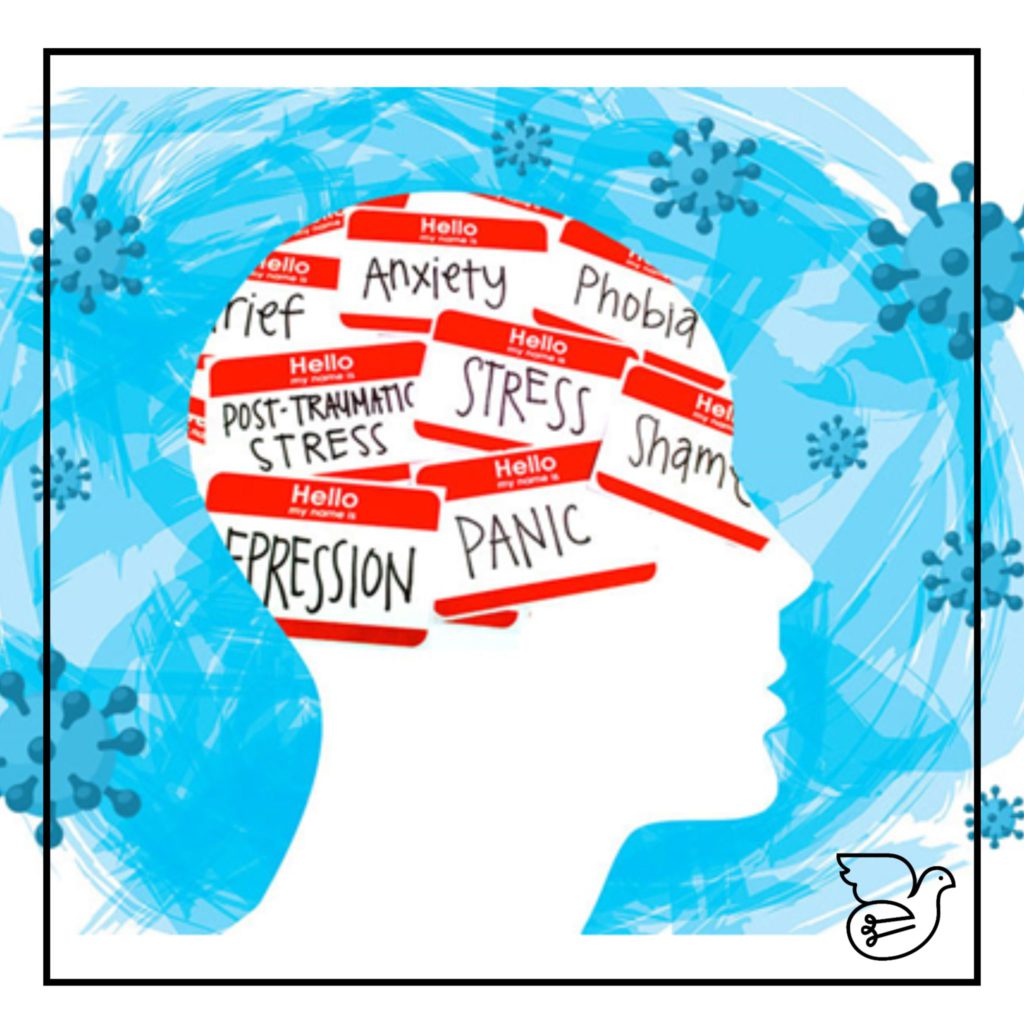
The Coronavirus Disease 2019 (COVID-19) epidemic emerged in Wuhan, China, spread nationwide last December and then swept the globe in early 2020. After being declared as a Public Health Emergency of International Concern (PHEIC) on January, COVID-19 was later announced by the World Health Organization (WHO) as pandemic in March (WHO,2020). Apart from the serious threats to people’s physical health, the COVID-19 epidemic also has significant psychological consequences, such as panic disorder, anxiety and depression that affect people more than the disease itself and possess the possibility of transforming collective trauma to generational trauma. The essay focuses on the mental health services provided in China and its virtual nature as the salient characteristic, summarizes the progression of virtual psychological interventions, analyzes the challenges of the online mental health services during COVID-19 epidemic in China.
India’s Development Diplomacy: Re-Engaging Afghanistan
The present approach of engaging regional players in Afghanistan by the United States could be scuttled by the bargaining postures of Iran, Russia, Pakistan, India and China on various issues of mutual concern. Rather than overtly depending on United States for guiding India through its AfPak strategy, India needs to proactively engage regional players- Iran, Russia and China through pro-active diplomacy, which could lead to potential joint problem solving initiatives. Also Indian initiatives could help defining issues in Afghanistan more in terms of creating value and bringing stability and security for all the concerned state parties.
Nepal’s Special Security Plan: Political Stunt?
An independent commentary on recently introduced the Special Security Plan (SSP) of Nepal.
Shifting Sands: Instability in Undefined Asia
Shifting Sands: Instability in Undefined Asia Author: Strategic Foresight Group Originally Published at Peace and Conflict Monitor on: 04/28/2003 Category: Special Report There are periods in history when the world changes. The Second World War from 1939 to 1945, and the end of Cold War and apartheid from 1989 to 1992 were the last two […]
Comments on
Comments on Author: Peng Ren Originally Published at Peace and Conflict Monitor on: 06/02/2008 Category: Letters to the Editor Dear Editor, After reading the article entitled China’s Death Grip on Tibet in last month’s Peace and Conflict Monitor, there are several points I would like to make regarding the accuracy of the author’s analysis. Firstly, […]
Taiwan, China & SARS
Dr Hahn, Executive Director at the Washington Think Tank, Association of Third World Affairs argues that the SARS epidemic should give China pause for thought in its attitude to Taiwan.
Peacekeping and the New World Order
The collapse and disintegration of the Soviet Union fundamentally altered the structure of international relations and the expression of violent conflict. Where war was once considered the business of nation states, non-state actors and intrastate wars have come to the forefront of global security concerns. Givi Amiranashvili analyses the legal and political aspects of UN peacekeeping operations in this new geopolitical landscape.