
Is Independence the Answer for S. Cameroons?
Southern Cameroons nationalists continue with their efforts in an attempt to secure a sovereign state, despite the daunting reality of human rights abuse and unprovoked killings that haunt communities living in the threatened region of the country. Without declared charges against them, victims continue to be held in prisons for extended periods of time. Although the case for Southern Cameroons renders in the eye of the international community, still no accord has been made to quell contention between the peoples.
The Logic of the Coup
The Logic of the Coup Author: Ajong Mbapndah Laurean Originally published at Peace and Conflict Monitor on 03/15/2006 In loose terms a coup d’etat can be defined as the unconstitutional action of acceding to political power, often with the use of force. The military often uses this method of taking power, and for a long […]
The Horn of Africa: Prospects for Peace
The Horn of Africa, comprised of Somalia, the Sudan, Djibouti, Eritrea and Ethiopia, is one of the worst affected regions by prolonged interstate and intrastate conflicts. Besides the crippling conflicts inside their borders, those countries have become very active in destroying each other. Conflict, hunger, destruction and displacement have become words normally used to describe this part of the continent. One might wonder why they are so often tangling with conflicts. In particular, one might be inclined to believe that the prolonged wars have shaped the society’s behaviour to be conflict prone.
Uganda Needs its Human Rights Commission!
Some elements of the Ugandan Government want to abolish the Human Rights Commission. The Commission, argues, Ferdinand Katendeko, is vital for the health of the Ugandan Democracy.
Violent or Non-violent Solutions? The Child Soldiers of Northern Uganda
Ask the question can von-violent methods help to end the war that has lasted seventeen years in northern Uganda destroying the lives of thousands of children and young people. She notes that progress has been slow but that is no excuse for stopping. Quite the opposite, and one way of moving forward is to shout as loudly as possible. The Peace and Conflict Monitor is helping. Join in the cacophony.
Sudan’s 50 Year War
Ferdinand Katendeko looks at the underpinnings of the conflict in Sudan, which has taken over four and half million lives, and asks what changes of attitude amongst the combatants are necessary for peace to take root in this conflict.
Post tenebras lux
The Burundi war is sordid like all the other wars in the world. For this reason it must not be singled out. Burundi is plunged into mourning by a violence that the international community, out of ignorance or oversimplification, tends to simply portray as an ethnic war between Hutus and Tutsis, fanned by ancestral antagonism between these two communities. It’s utterly wrong. The Burundi war is complex and frightfully modern. It is a war for trifling political power and control of the resources. It simply uses the most fallacious pretexts (ethnic group, region, political affiliation) to disguise its true face. In so doing, it utterly resembles so many other armed conflicts in the world
Peace Journalism: A Needed, Desirable and Practicable Reform
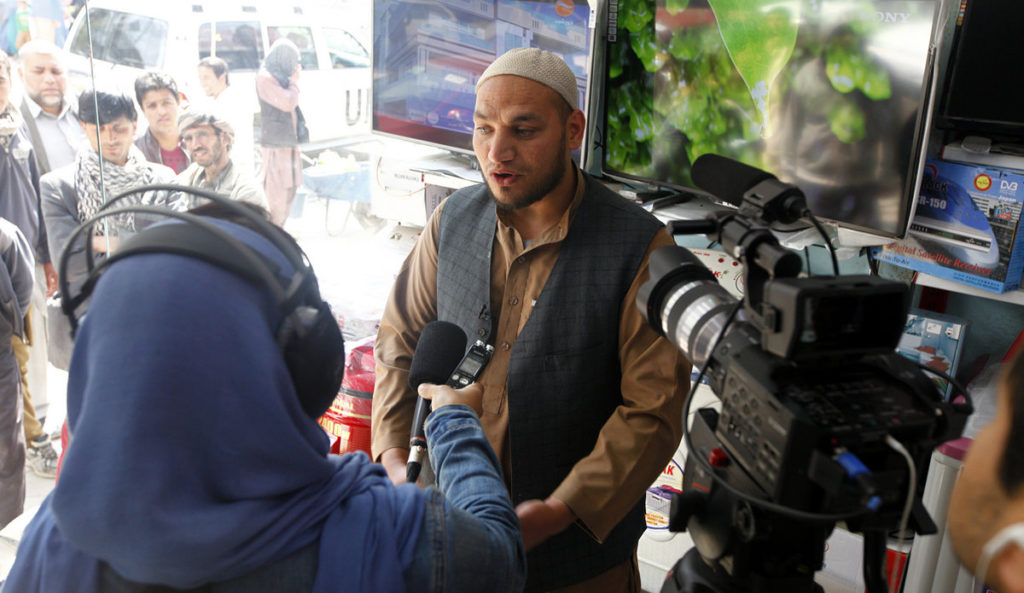
The idea of peace journalism has attracted its share of critiques and controversies, but as Vanessa Bassil argues, it still offers a much needed and practical, peace-oriented perspective from which media can be analysed and produced.
Ukraine Conflict: Resolution through Negotiation
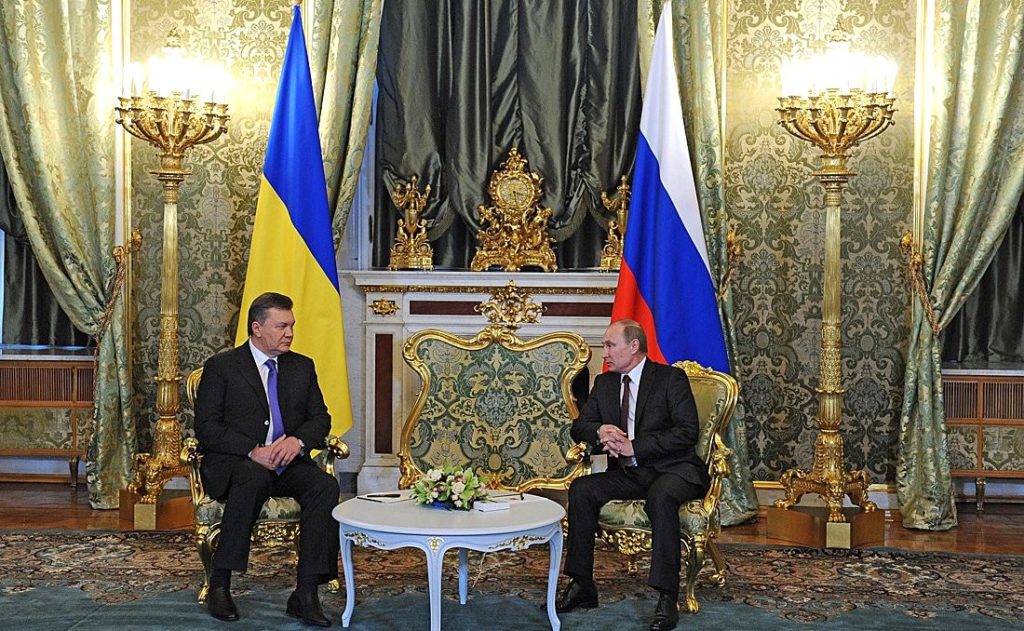
This paper analyzes the Ukrainian crisis from an international perspective, drawing on the theories of realism, neo-colonialism, and structural functionalism. It posits the necessity to include all the conflicting parties in a negotiation process in order to secure a sustainable peace agreement and proposes a detailed negotiation framework.
The Case of the African Union’s (AU’s) Initiatives, 1999-2014
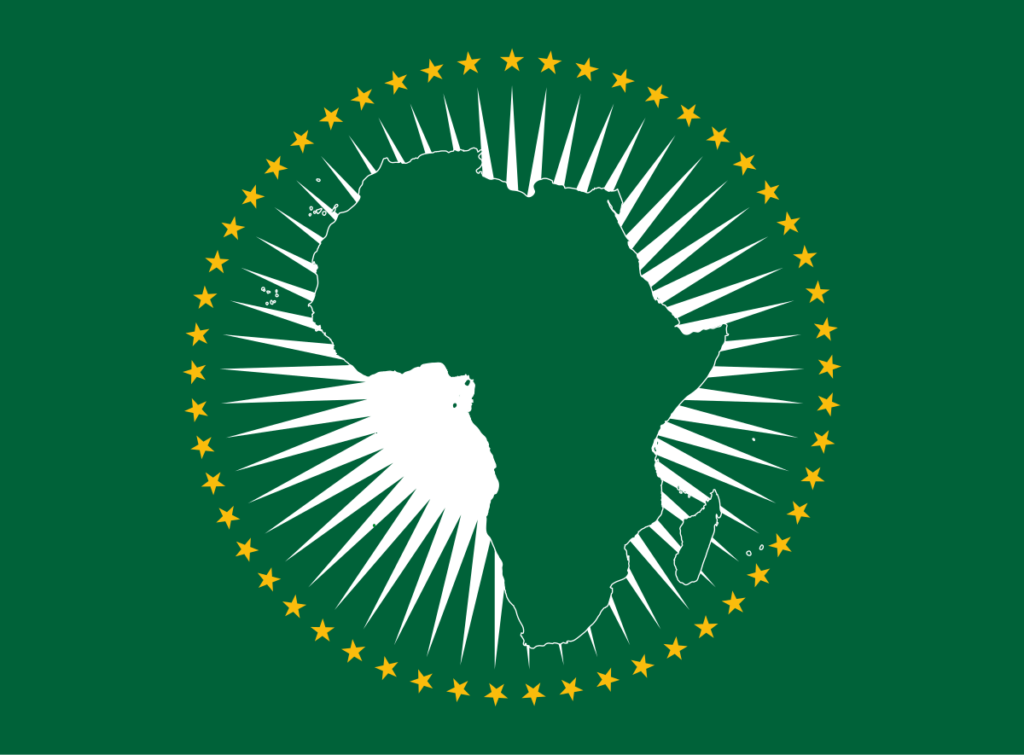
As regional organizations facilitate economic integration, they also find themselves increasingly taking responsibility for security issues as well. This paper outlines the experience of the Africa Union, and the challenges it faces as it emerges as a guarantor of security on the continent.