
Violence and Poverty Entangled in El Salvador
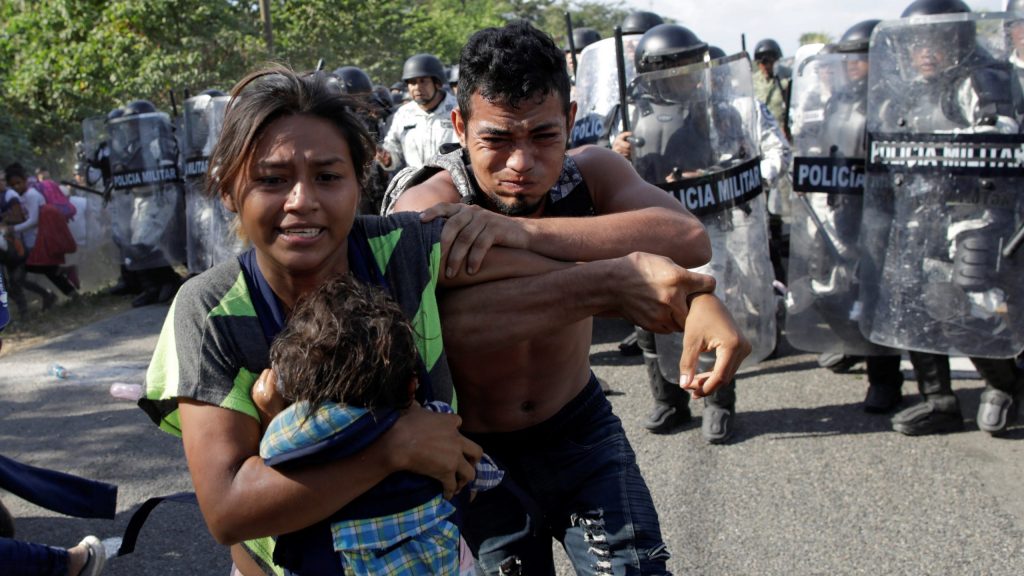
In the first of a two-part series, researcher Paula LeRoy discusses several ways in which poverty and violence interact in El Salvador. Of particular emphasis in this analysis is the inadequate fulfilment of the 1992 Peace Accords. The companion article (forthcoming) will assess the viability of potential responses to the issues discussed here.
Progress Can Prevail in El Salvador
Last month, Paula LeRoy’s article “Violence and Poverty Entangled in El Salvador” described the many interlocking challenges to peace and prosperity in the country. This article offers an inspiring range of potential solutions and practical ideas for how those challenges an be overcome.
The United States Supremacy and her place in Global Politics and the Geopolitics of the International System
Following the demise of the cold war in 1990s, the United States emerged as the world’s leading power in the international system. This supremacy is partly supported by the global recognition of United States’ position as the most powerful nation on earth. America’s global supremacy is also anchored on the centrality of its role in global politics and its tremendous influence on the geopolitics of the international system. By referring to the U.S. as the world’s super power, there is an implied relational reference and positioning of the United States as the center piece of the international system. It is perceived as the grandmaster of international affairs. This paper examines the supremacy of the United States in the new world order. It argues that as a post-cold war super power, the U.S. has significant influence on global political and developmental relations that characterize the ideologically unstable and anarchic international system. The paper explores the contradictions that arise from the efforts of the U.S. to pursue common good using its military power in the attempts to restore sanity in the international system. It concludes that by climbing to the apex of the world’s top power seat, the U.S. earned itself the image of an empire builder that is assumed to have imperialistic tendencies rather than a respected overseer of the international system.
Reconstructing the Notion of Youth
Youth are variously described as the hope and future of our species or the most irresponsible and potentially violent of our kind. Unfortunately, it seems as though this later view has gained ground among certain social critics who see a large youth populations as potentially destabilizing to society. As Shahbaz Israr Khan argues, it’s time to reconstruct our notion of “youth”.
“Tómale la mano y dale una salida” (take by the hand and show a way out)
Catherine Bellamy sits ringside to witness one NGO’s work to bring pride and hope to the violent favelas of Rio de Janeiro.
“Slim”: HIV/AIDS in Uganda
HIV/AIDS was first discovered in Uganda in a small fishing village on Lake Victoria in 1982. Patients lost so much weight that the mystified villagers called the disease simply “slim.” By 1999, there were 1,438,000 Ugandans infected with the disease. Along with taking a heavy toll in human life, the disease has ravaged the country’s economy and infrastructure, and essentially become serious threat to human security in general.
The Rise of Al Jazeera
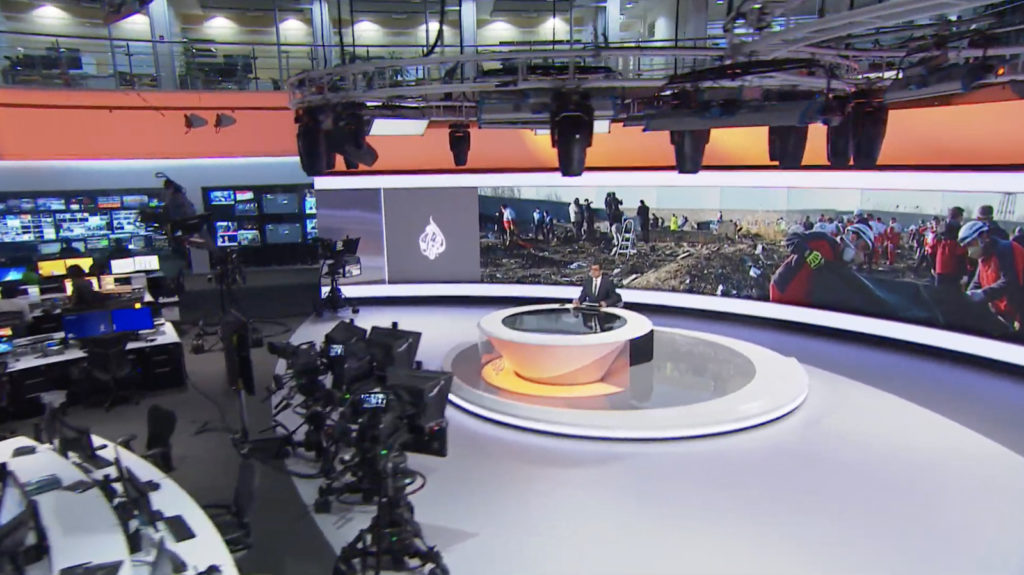
Al Jazeera is likely the most controversial media phenomenon of the last few decades. But say what you will about the goodness or badness of it, its effect is undeniable. Al Jazeera has done what no other media before it could: bring all Arabs together, under one umbrella, to speak their minds.
How Privatized is War?
Some security analysts believe that the private sector is so firmly embedded in combat and occupation that the phenomenon may have reached the point of no return. The U.S. army estimates that of the $87 billion earmarked in the year 2003 for the broader Iraqi campaigns including Central Asia and Afghanistan, one third has been spent on contracts to private companies. Pujya Pascal discusses corporate adventurism in the context of the latest concerns relating to Private Military Companies.
Transitional Justice in Burundi: Expectations and Concerns
Vital Nshimirimana discusses the transitional justice process as planned by the government of Burundi for 2012. He argues that issues including ongoing insecurity, human rights abuses, lack of dialogue and trust among social partners, as well as lack of rule of law will undermine the process.
Harnessing Youth Power for Peace: A Perspective from Russia
The energy of youth is largely responsible for powering violent conflict, as well as social movements for positive social change. As Dr Jatinder Khanna shows, the application of youthful energy to intercultural peace programs and political activism are essential for peacebuilding in Russia and elsewhere.