
Social Audit to revitalize Nutrition Governance during COVID Times
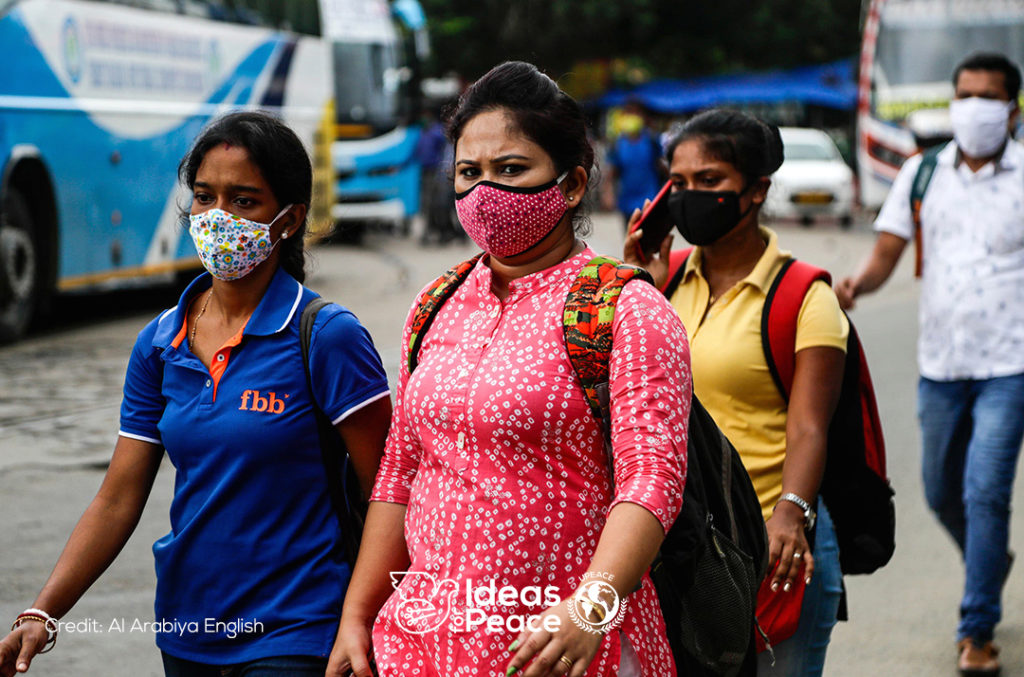
Social audits ensure transparency and public accountability to ensure access over health and nutrition resources in India
SERGIO: From The Work In Field To The Movie Screens
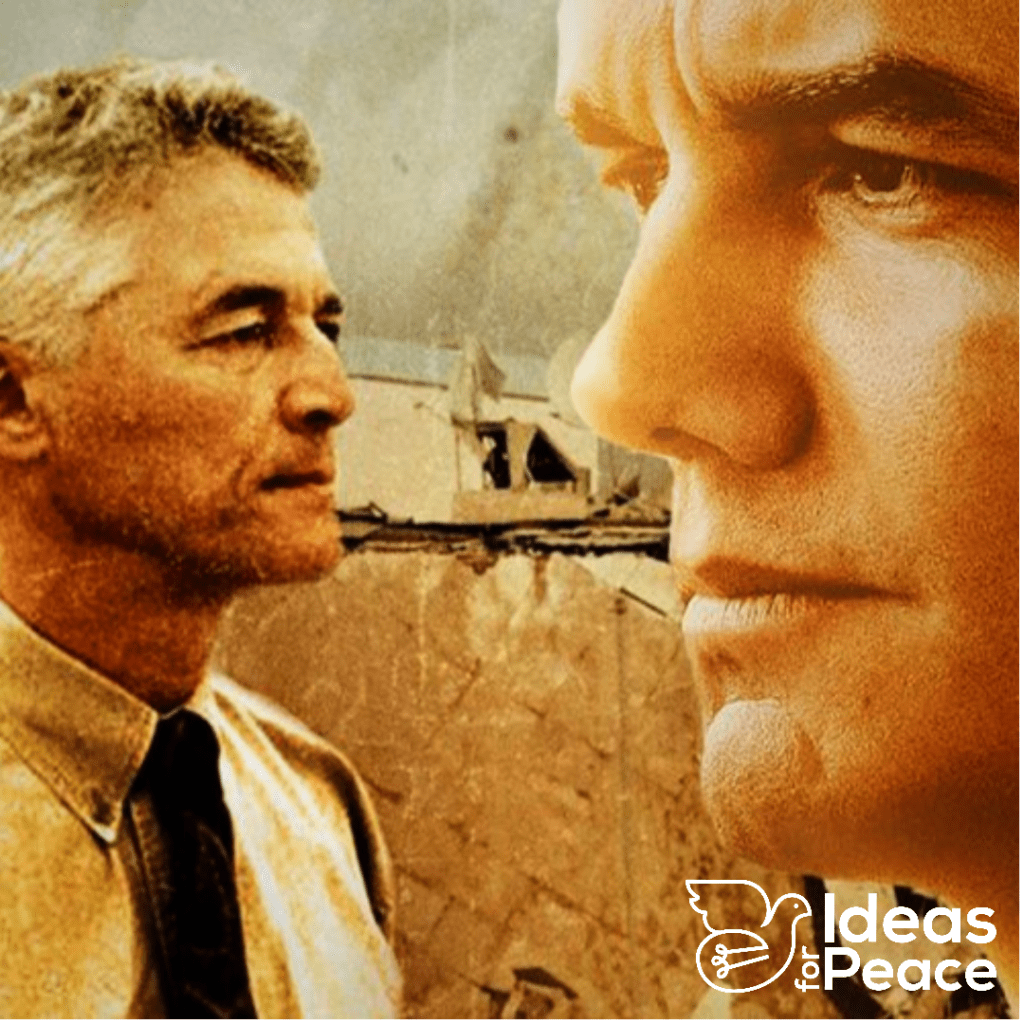
This article compares the 2020 Netflix movie Sergio with the 2008 biography that inspired it: Chasing the Flame: One Man’s Fight to Save the World, written by Samantha Power. Both tell the real-life story of Sergio Vieira de Mello, the Brazilian philosopher and UN diplomat who was the main target of the attack against Canal Hotel in Baghdad, Iraq.
Ideas for Peace Series – Education and Peace
Ouided Bouchamaoui discusses education and peace. Considers the impacts of tragedies and argues that education is the most powerful tool for achieving peace
Selection of Poems from The Unfold Pinnacle
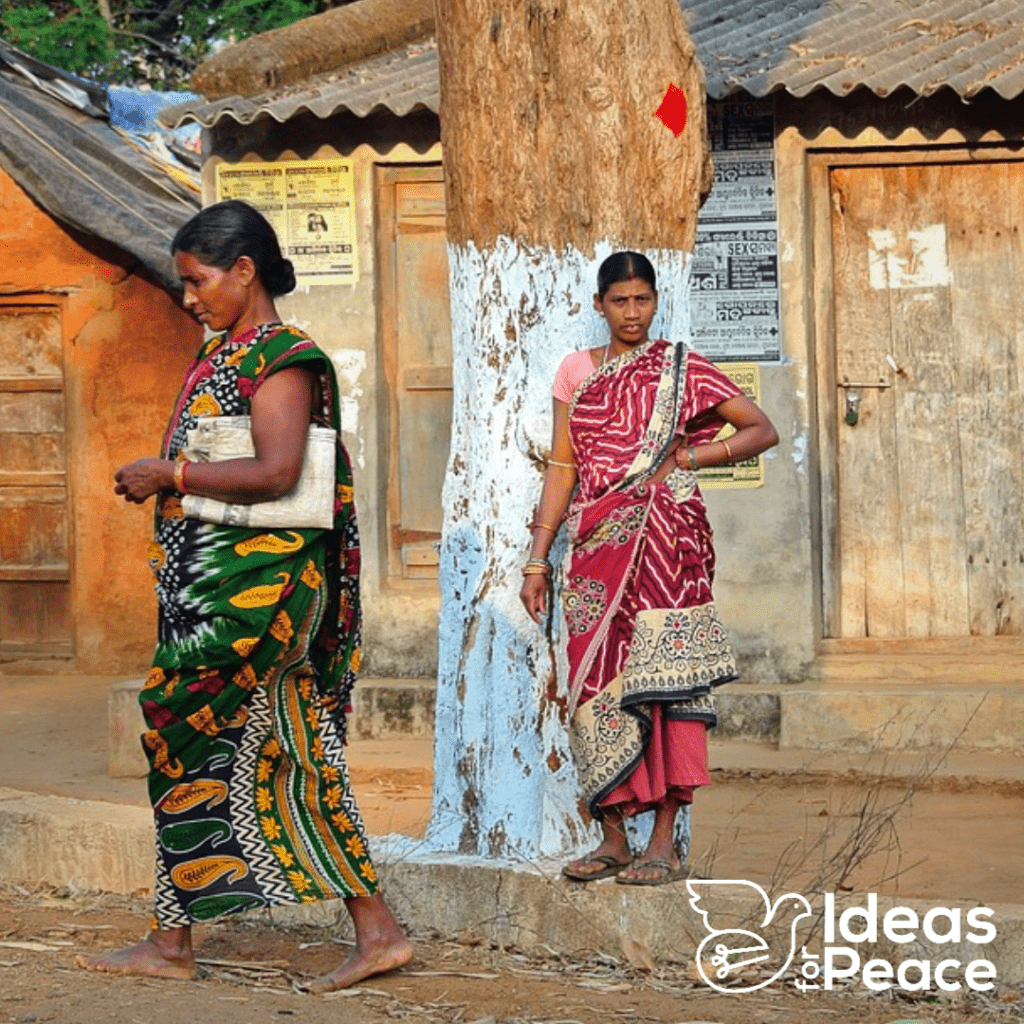
The poems tell the story of marginalized tribal women who were living in the Left Wing Infested (LWE) relief camps in India. These poems are part of a larger collection of poems, ‘The Unfold Pinnacle’ that gives the marginalized women and girls a voice through poetry and humanize development work with the intimate stories of those most directly affected by poverty and violence.
An analysis of the Middle Eastern Cold-War between Saudi Arabia and Iran
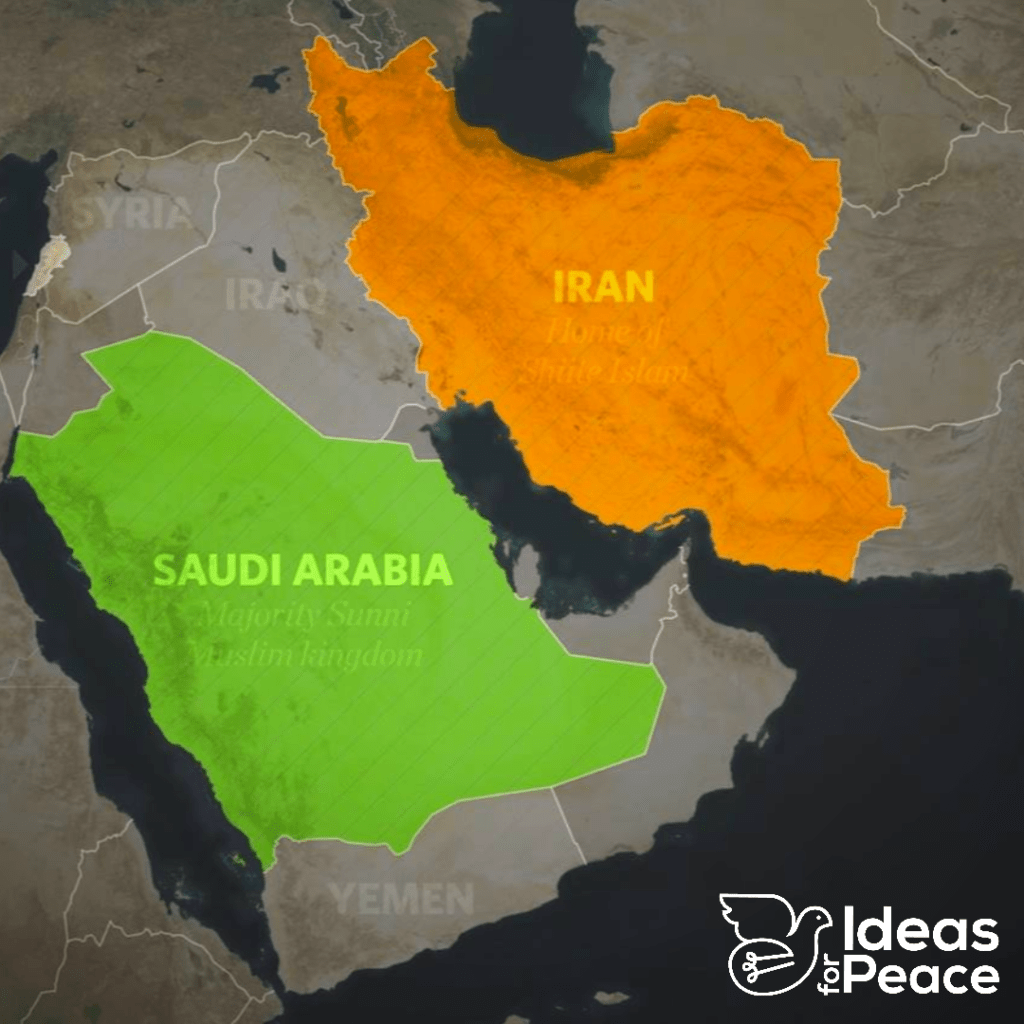
This research article will attempt to give a historical background and perspectives of both nation-states involved in the conflict; furthermore, the researcher will attempt to analyze the religious conflict between the two states, and their roles in conflict around the Persian Gulf, and finally, try to establish whether the conflict between the two hegemonic Islamic powerhouses amounts to a cold war.
What makes business leaders to behave socially responsible?
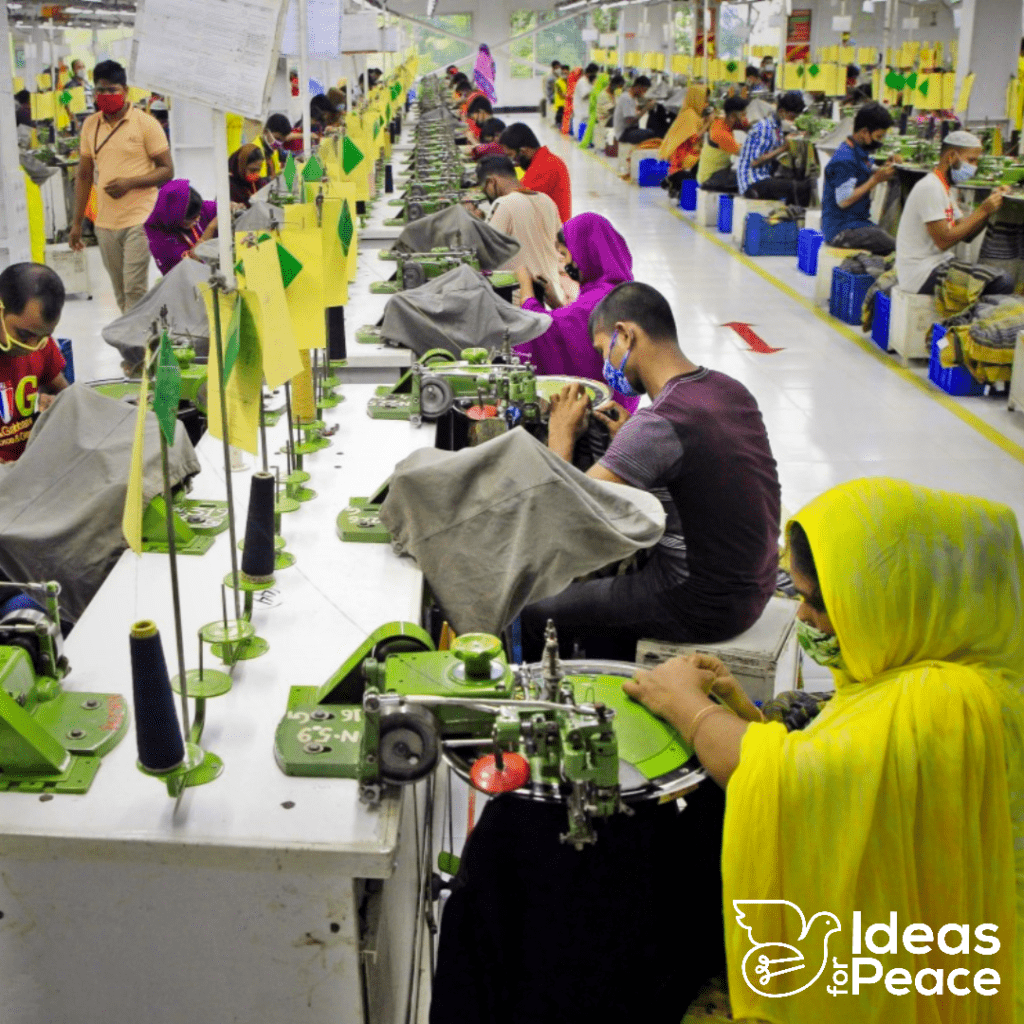
This research aims at challenging these criticisms by targeting the local business leaders as units of analysis to understand their motivations and what factors influence different behaviours with respect to CSR, assuming that local leaders are relevant forces of change who can lead towards the attainment of sustainable growth.
Facial Recognition Technology with Human Rights Approach

This article considers the impact of facial recognition technologies for the protection of the right to privacy
Ending impunity and seeking reconciliation in the Central African Republic: Role of Transitional Justice

The Central African Republic (CAR) has been suffering from long-lasting conflicts and is now required to establish the rule of law through Transitional Justice. Transitional justice is for the recovery of countries devastated by conflict. The United Nations describes Transitional Justice as ‘the full range of processes and mechanisms associated with a society’s attempt to come to terms with a legacy of large-scale past abuses.’ (United Nations General Assembly Human Rights Council, 2014) and it includes judicial and non-judicial mechanisms, such as the prosecution of perpetrators through national, international or a hybrid justice system, and the Truth and Reconciliation Commission. Then, what kind of efforts have been made to establish transitional justice in the CAR? Which system works well in the context of CAR’s complex conflicts?
Moral Lessons Humanity Should Learn from the Coronavirus Pandemic

Amidst the shocking waves of the coronavirus pandemic that has struck the world, Jerry Locula shares his thoughts on how he sees the world today, and how the world will never be the same again. He highlights that peace is not squarely the absence of war, thereby auguring that the coronavirus has derailed personal peace and societal peace. He urges humanity to appreciate every little thing that was once taken for granted before arrival of the coronavirus. He believes the world has changed and new normal has arrived at the doorsteps of human culture. Jerry urges every individual person to show a little bit of love and kindness so that our world will be a better place and at peace for all.
Non-Governmental Organizations, The Two-Edged Sword for Peace and Development: The Case of Karamoja Region

Non-Governmental Organizations, The Two-Edged Sword for Peace and Development: The Case of Karamoja Region Author: Wyclife Ong’eta, and Salome Nyambura Translated into Spanish by Sylvia Cespedes Introduction Over the past 100 years relatively more NGOs have tended to operate in fields that are also of great concern to national governments, for example, economics, finance, commerce, peace, […]